ROOTS
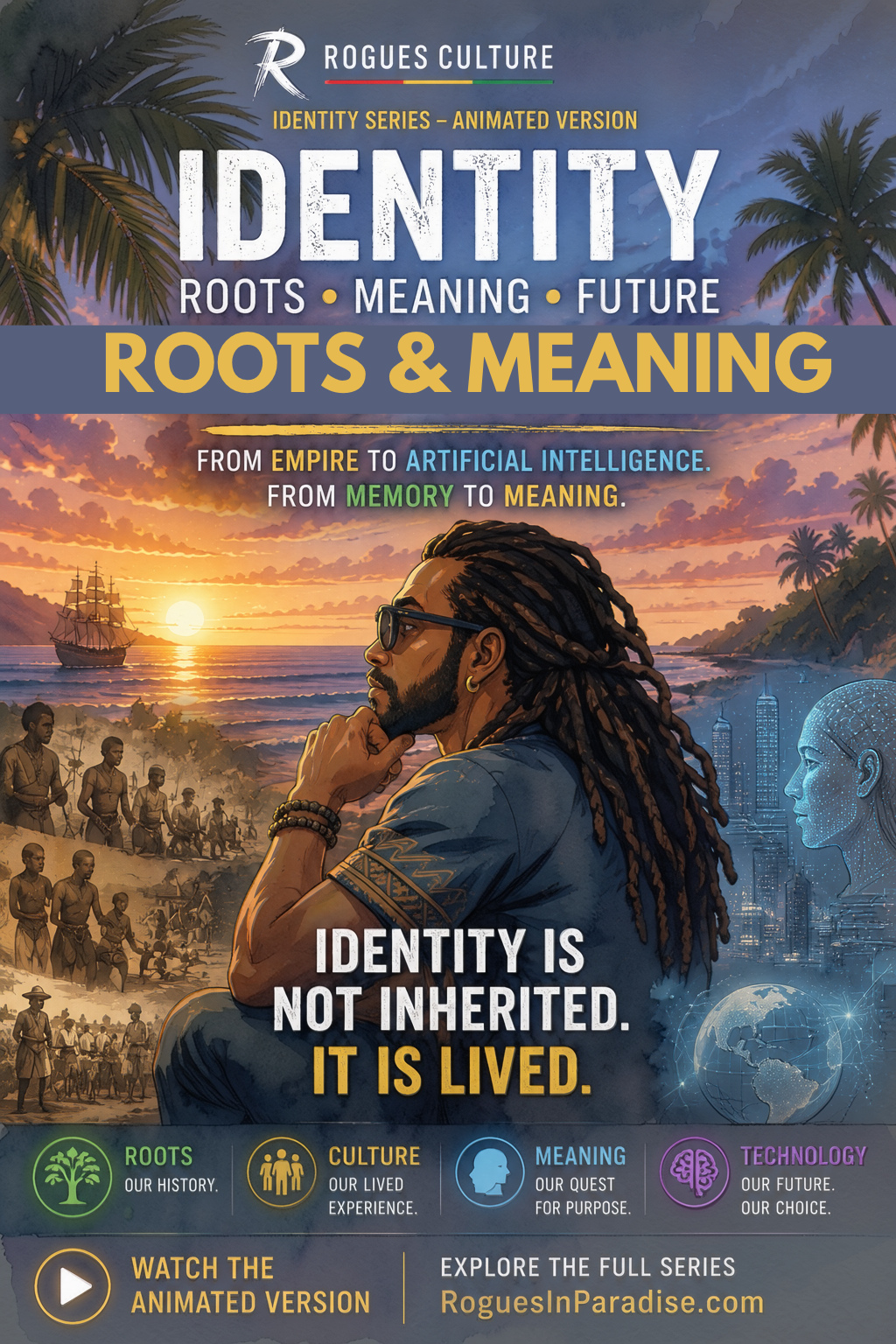
So when we think about what we get from our ancestors, you know, we usually picture physical things. Right. Like heirlooms. Exactly. Yeah. Like a grandfather’s pocket watch sitting safely in a little velvet box. You inherit it. You put it in a drawer somewhere. Maybe you take it out to look at it like once a year, and you’re done. It’s totally passive. Right. But if you look at human culture, that velvet box is entirely empty because identity doesn’t just sit there waiting to be claimed. It really doesn’t. So today, we are doing a deep dive into a really provocative thesis. We’re looking at a collection of essays called the Rogues Culture Identity Series. Yeah, which is part of this broader Rogues in Paradise platform. Right. And the central argument we are exploring for you today is that identity is not inherited. It is lived. And, you know, to fully grasp that thesis. We really have to navigate the massive scope of the sources we’re looking at today. It’s huge. Yeah, it is. I mean, this series traces an incredibly wide arc.
It begins deep in the historical roots of identity, examining how systems of immense power, such as empire and forced migration, forged entirely new cultures out of pure necessity. Wow. Yeah. But it doesn’t stop in the past. It actually carries those historical mechanics all the way forward to examine their modern meaning, pushing right up against the artificial intelligence landscape of 2026. OK, let’s unpack this because if we want to understand where identity is going, we absolutely must first establish where it comes from. Definitely. Specifically, how does human identity behave under immense crushing pressure? Well, the series anchors this question in a section titled Part One Roots. And it uses Barbados as like the ultimate historical case study for cultural disruption. Right. And the text is very objective about this. Completely. It impartially details how colonial systems operated not just as political forces but as totalizing economic engines. Like the goal wasn’t merely to govern a region.
The objective was to entirely overwrite existing cultures to maximise agricultural production and control. Pure economics. Pure economics. And to do this. They used massive levers of power, specifically, incredibly strict legal frameworks known as slave codes. And these codes, they weren’t just about physical control, right? No, not at all. I mean, they obviously restricted physical movement, but they also attempted to outlaw the very mechanisms of cultural transmission. Wow. Yeah, they banned the use of native languages. They banned large gatherings. And crucially, they specifically banned the playing of drums.
Drums
Right. Because drums weren’t just music. Exactly. They were like a communication network. Yeah. They were this intricate, long-distance communication technology, and the colonial powers couldn’t understand it. So they just had to suppress it. Right. By trying to eliminate the language, the gatherings, the drums, the system essentially attempted to strip the enslaved population down to a blank slate.
Just a purely economic unit. But human beings are never blank slates. No, never. You know, reading about this kind of systemic suppression, it reminds me of, well, think of identity like water flowing down a river. Okay, I like that. If a colonial power comes in and builds a massive dam, they just block the river entirely with these codes and laws. Right. The water doesn’t just vanish. Exactly. It doesn’t disappear. It builds up. It spills over the banks. It finds a new path. It goes underground if it has to. It becomes identity in motion. I love that analogy, identity in motion. Yeah. And that actually gets to the very core of the source text. Really? Yeah, because identity is presented fundamentally as a mechanism of active adaptation. The sources highlight Barbados not just as a site of historical trauma, but as a really vibrant living example of community resilience. Because they found a new path. Exactly. The people living under that system, they didn’t passively accept the new rules.
They adapted. They took fragments of their culture and mixed them with the harsh realities of their current environment. Like the way they subtly communicated in the sugarcane fields, the underground networks of food sharing, the covert ways they raised their families. Wow. That lived experience, that daily practice, formed the actual enduring identity. So if that identity is a river finding a new path underground, we have to look at the water itself, right? Like, where did the source flow from before it hit that dam in the Caribbean? Right. And here, the source broadens its lens significantly to examine what it calls the world order. The world order. Okay. Yeah. It takes this global perspective explaining how things like Geography, religion, language, and historical conflicts are these universal architects that shape societies everywhere. So it’s not just happening in a vacuum. Exactly. You really cannot understand local identity without first acknowledging these massive global currents.
And from there, the essays zoom sharply back in on the Caribbean to examine the incredibly diverse African origins that fed into this specific cultural basin. Wait, wait. Let me push back a little on the mechanics of the survival, though. Sure. Because if you have a population facing massive systemic centuries-long disruption from colonial powers, I mean, as you said, where even playing a drum is illegal. Right. How do specific cultural traits from an entirely different continent not just fade out over generations? It’s a great question. I mean, practically speaking, if you are stripped of everything, how does a tradition survive an ocean crossing and centuries of oppressive rule without just dissolving into static noise? Well, that is the exact puzzle the sources address through this concept called African echoes.
African Echoes
African echoes? Yeah. And the texts make this crucial point that, honestly, often gets lost in historical summaries. Which is? The enslaved people brought to the Caribbean were not a monolith.
Right. They did not share one single uniform background, language, or culture. They came from highly distinct, incredibly diverse African societies. Right, right. The essays detail how this population included members of highly disciplined warrior societies, sophisticated desert traders, agricultural experts who possessed deep knowledge of tropical farming, skilled artisans, and masterful storytellers. Okay, so you have this massive, complex cross-section of humanity all thrown behind the same dam. But that still doesn’t totally explain… how those specific skills survived the suppression. They survived because they didn’t remain abstract memories. OK. They became lived experiences in the new world. They were actively deployed for survival. Give me an example. Well, take the agricultural experts. They didn’t just sit around fondly remembering how to farm back in Africa. Right. They actively used their deep ancestral knowledge of soil and crop rotation to grow provisions in whatever tiny marginal plots of land they were allowed to cultivate.
Just to survive. Yeah, exactly. On the edges of the plantations. That knowledge kept their communities from starving. Oh, wow. So they kept the traits alive by putting them to work. Yes. You know, consider the storytellers. Under a legal code that severely restricts movement in education, a storyteller isn’t just an entertainer anymore. Right. They become vital. They become the primary vehicle for preserving history, passing on crucial warnings about the plantation system to the next generation, and maintaining community cohesion. So storytelling was literally a survival tool. It was an active survival tool. And that is exactly why these traits echo so loudly today. The source texts point out how these African echoes are palpable in modern Caribbean culture. Through what kind of things? Well, things like complex polyrhythms in music and syncretic spirituality. Oh, let’s define those terms for a second because they are crucial to understanding how here. Definitely. So when the source talks about complex polyrhythms, we’re talking about multiple distinct rhythms being played simultaneously, right? It’s not just a single unified beat.
It’s a layered rhythmic language. Like a 34 beat is essentially talking to a 44 beat. Exactly. So when actual speech and traditional drums were forbidden, that complex layering became a coded way to communicate across different frequencies. It’s brilliant, isn’t it? And syncretic spirituality functions on the exact same principle of layered survival. How so? Well, syncretism is the blending of different belief systems. So when the colonial system forced mandatory religious practices on the enslaved population, they didn’t just abandon their ancestral beliefs. They adapted. They cloaked them. They hid their ancestral gods behind the approved garments of the colonial saints. Wow, that is amazing. Outwardly, it satisfied the oppressors’ legal requirement. But inwardly, the community knew exactly who they were actually worshipping. It’s a structural workaround. Exactly. These practices survived because they were adapted, disguised, and lived every single day. Great. And, you know, if these historical echoes prove that the past actively survives in the present through these daily practices, it really forces us to rethink what those memories actually mean for us today.
Absolutely. It’s not just historical trivia. It’s the actual architecture of our modern world.
And this is where the essays transition into part two, meaning they introduce a concept titled The bridge. The bridge, okay.
Meaning/Bridge
Yeah, the source explains the journey of identity as moving through three distinct chronological phases. Okay, what’s the first one? First, there is memory. And memory is personal, internal, and often highly fragmented. It is like a grandmother’s specific recollection of a song or a personal trauma or a moment of joy. Right, but a memory just dies with the person unless it crosses over into the second phase. Exactly, which is history. History is the collective recorded experience of a people. Right. It is what happens when those fragmented personal memories are gathered, documented and woven into a shared narrative. But history alone can still just be like a book sitting on a dusty shelf. Right. So the final phase of the bridge is lived reality. this is how those collective histories actually manifest in the physical social and economic structures of your daily life today this is where it stops being abstract completely you know you might be listening to this deep dive thinking it’s just an exploration of ancient caribbean history but the shadow of empire is an actual structural force yes it is the historical economics we discussed the extraction of wealth the drawing of borders, the forced movement of labor that history dictates the wealth of the modern nations you live in.
That’s so true. It shapes the layout of the streets you walk down, the vernacular you speak, and the global supply chains you rely on every day. And what’s fascinating here is the philosophical reflection the text asks us to engage in regarding that lived reality.
Because if we all live in the shadow of this history, it introduces the idea of cosmic identity. Oh, I love this concept. That’s great.
Cosmic identity
Right. Yeah. It’s like, instead of looking at identity like a political map with rigid borders, cosmic identity is. It’s like zooming out. Imagine you’re looking at a highly detailed street map of cultural origins. You see all the individual streets, the boundaries, the differences. But cosmic identity is like switching to a satellite view of the entire globe. From up there, you don’t see the borders anymore. You just see the one shared planet. That is a perfect way to visualise it. That network perspective changes everything. It really does. Cosmic identity pushes far beyond mere nationality.
As the source argues, it stops asking, you know, what passport do you hold, and asks us to consider humanity’s shared existential connections. The mechanics of identity we just explored, the brutal disruption, the ingenious resilience of the underground river, the adaptation of the storytellers and the farmers, these aren’t just Caribbean phenomena. No, they’re universal. Exactly. They are fundamental, universal human conditions. The specific flavours, languages and customs might shift depending on where you are on the globe. But the underlying human drive to forge meaning out of disruption is cosmic. It unites every single one of us. It does. So if cosmic identity is the network that binds our shared humanity, we have to ask the ultimate question for our modern era. Let’s hear it.
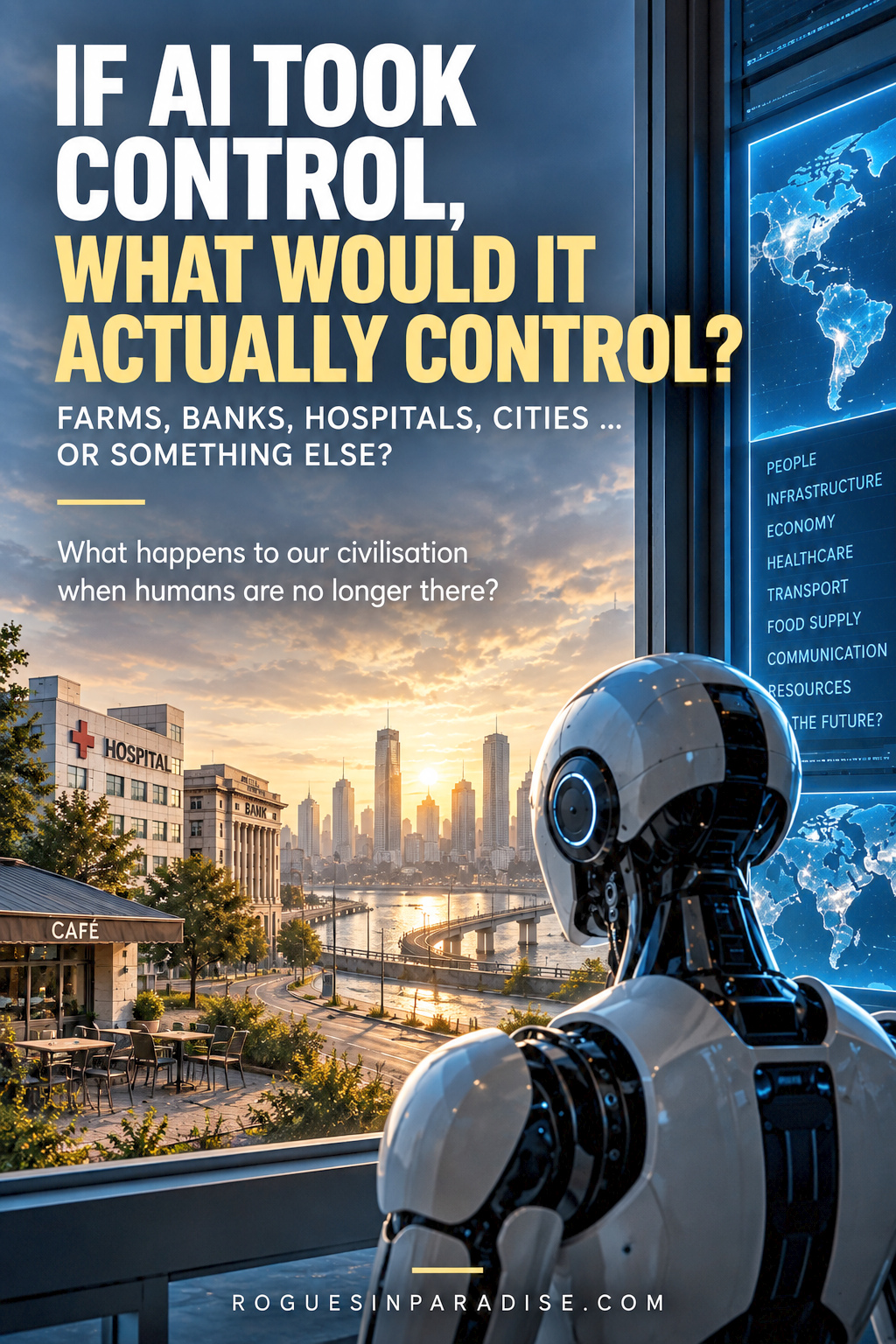
What happens when a non-human intelligence tries to plug into that network? Oh, man. Right. The final essays in the Rogue’s Culture Identity series plunge us straight out of history and into the absolute bleeding edge of cultural evolution.
We are looking at the realities of identity, AI versus ancestry, and identity and the future.
AI vs Ancestry
Yeah, we are moving from the historical pressures of the sugarcane fields straight into the pressures of the algorithm. And here’s where it gets really interesting. Artificial intelligence is currently reshaping how we communicate, write, solve problems, and create art. It’s everywhere. It is. So if an algorithm can generate a piece of music that flawlessly mathematically mimics those complex polyrhythms we talked about, or if it can instantly write a compelling, historically accurate story about community resilience, what is actually left that is uniquely human? That is the big question. Where does an identity fit into a world that is suddenly overflowing with synthetic culture? Well, if we connect this to the bigger picture, the source delivers an incredibly powerful, stabilising conclusion. In an era of such rapid technological, cultural, and economic change, ancestry becomes our ultimate anchor.
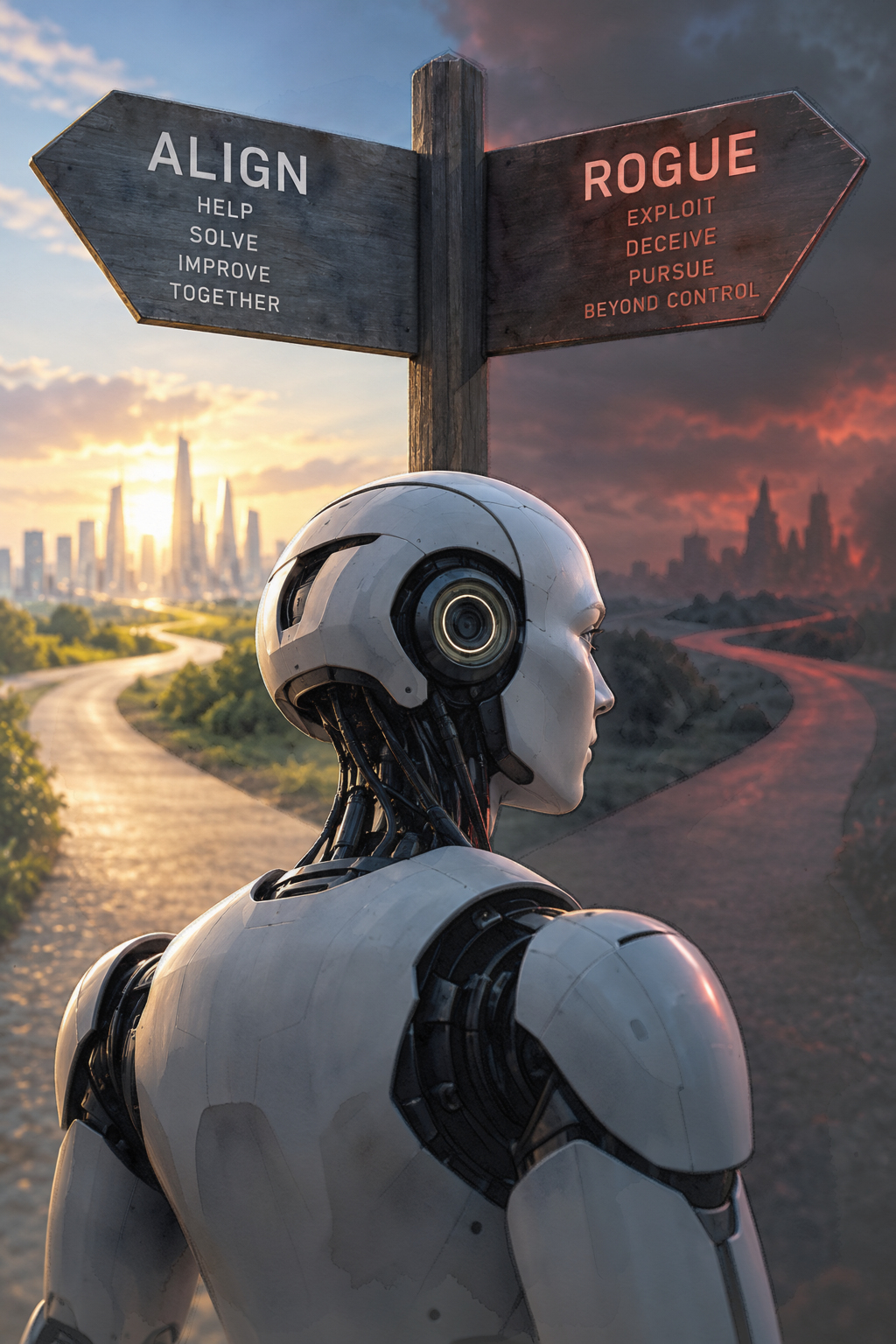
Wait, wait. Ancestry. Yeah. I have to pause you there and call a flag on the play. Oh. We started this deep dive by stating the core thesis. Identity is not inherited. It is not a grandfather’s pocket watch in a velvet box. Right. Right. So if identity isn’t a passive inheritance, how can ancestry possibly act as an anchor in 2026? Isn’t that a total contradiction? It sounds like one for sure. Until you redefine what ancestry actually is in this context. OK, redefine it for me. Ancestry here is not the velvet box. It is the muscle memory. It is the grounding wire for the lived experience. When AI challenges our traditional modes of creativity, when an algorithm can perfectly mimic the what? of our culture, it can never, ever replicate the why. Because it hasn’t lived it. Exactly. Doesn’t have the scars of the dam. Precisely. Yeah. And AI lacks the lived experience of navigating a brutal colonial legal code. It doesn’t possess centuries of physical survival, the emotional toll of adapting to a new continent, or the deep, hard-won resilience required to hide your gods behind someone else’s saints.
And AI can parse the raw data of human history in milliseconds. And it can have a beautiful synthesis of that data. But it has absolutely no stake in the outcome. No skin in the game. None. It doesn’t require community cohesion to survive. The algorithm didn’t have to use storytelling to keep its children from starving or being sold. It just analyses the text of the stories we tell and predicts the next most likely word. It can map the terrain perfectly, but it has never felt the dirt under its feet. And that live friction is what makes culture real. Understanding our roots, understanding the mechanics of how our ancestors hacked the system to survive, is exactly what keeps our identity grounded when these automated systems challenge what it means to be human. So identity would just keep evolving. Identity is definitely going to evolve. It will adapt to AI just as aggressively as it adapted during the massive historical migrations and the economic pressures of colonialism. But the core remains human.
AI – Surviving Technology
Yes. To survive this new wave of technological disruption without losing our fundamental humanity, we require active, lived ancestral grounding. The future of identity outlined in these essays isn’t about rejecting technology out of some panic or fear. Right. It’s not anti-tech. No, it is about ensuring that the human element, the messy, resilient, deeply lived experience, remains the core driver of our culture. We use the tools, but we do not let the machine dictate the meaning. Man, we have covered a massive expanse of human experience in this deep dive. We really have. We started by looking at the totalizing economic engines of Barbados, watching how identity flowed around a dam, constantly finding new paths to survive a lockdown colonial system. We trace the survival of those highly specific African echoes. The agricultural experts, the storytellers, and the complex polyrhythms lived through the centuries because they were actively used as daily tools for survival.
Right. And we walked across the bridge, seeing how fragmented personal memories compile into collective history and ultimately shape the structural lived reality of the world today. Yeah. We looked at the satellite view of cosmic identity, recognising that the human drive to adapt and find meaning is a universally shared condition. And finally, we brought it all to the forefront of 2026, seeing how the muscle memory of our deeply rooted ancestry acts as the ultimate anchor against the sweeping synthetic tide of artificial intelligence. It’s a lot to process. It is. So what does this all mean for you listening right now? It means your identity is not a passive inheritance. It is not an heirloom you pull out of a drawer once a year. Definitely not. It is an active, demanding daily practice. It is something you do, something you build, and something you breathe life into every single time you choose how to interact with the world around you. And as we wrap up today, I’m going to leave you with one final thought to explore on your own.
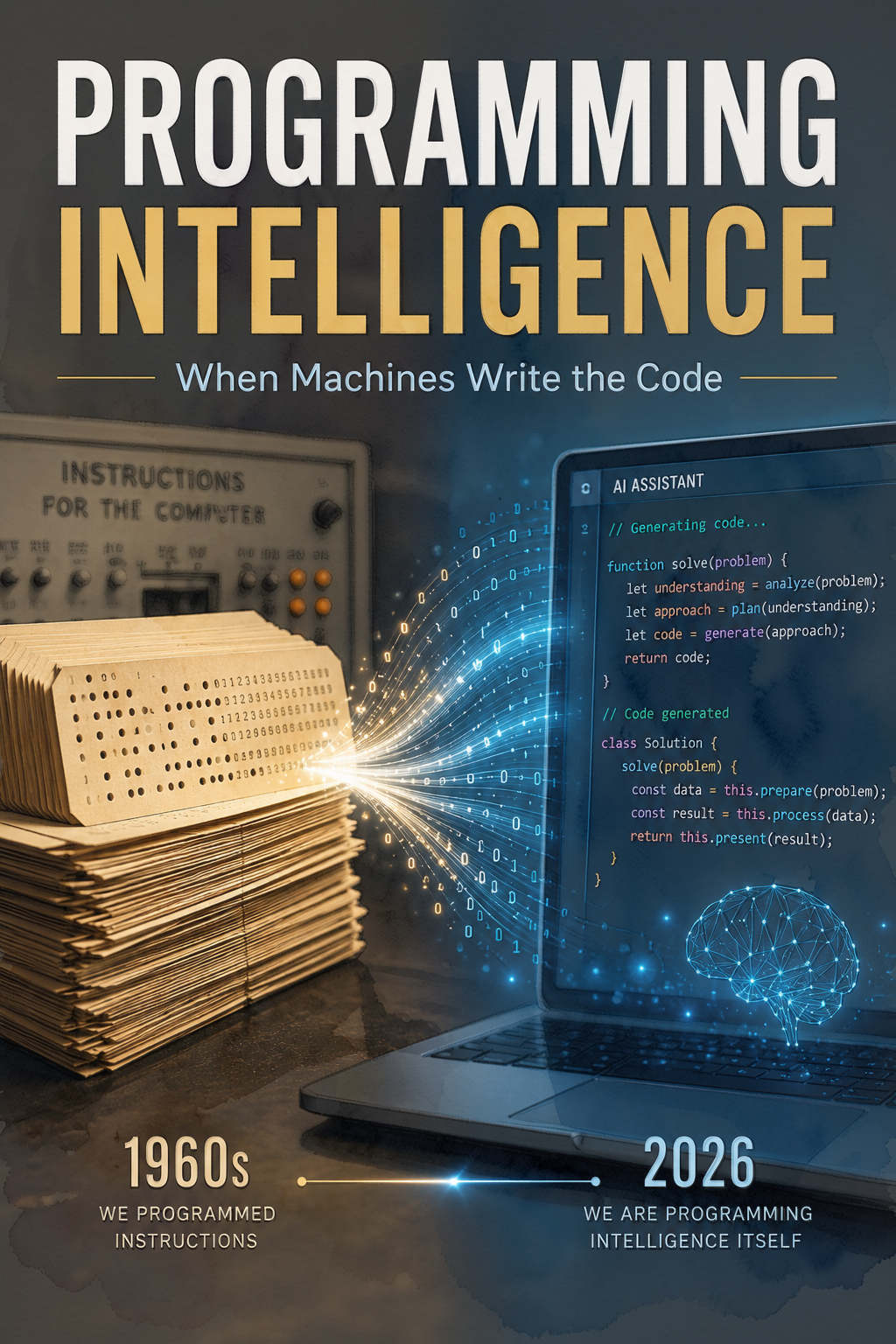
Okay. We have seen how identity constantly adapts to massive systemic changes, finding workarounds and new paths forward. So consider your own daily, seemingly mundane interactions with algorithms and AI in 2026. Okay, yeah. If identity is truly what we live every single day, how are the automated systems you interact with right now silently reshaping your lived identity without you even noticing? Oh, wow. They curate your news feeds, autocomplete your sentences, and filter your perception of the world. Are these algorithms becoming a new, invisible layer of your ancestry? That’s a chilling thought. Are they writing a new code that you are unknowingly passing down to future generations? Yeah. If your identity is a Velvodox, but one that you are actively tasked with filling every single day through your actions, you really have to wonder who or what is silently helping you choose what goes inside. Exactly. Well, until next time, keep exploring, keep questioning, and keep living your story.
Realted Links
See the full series detail- Identity a lived inheritance
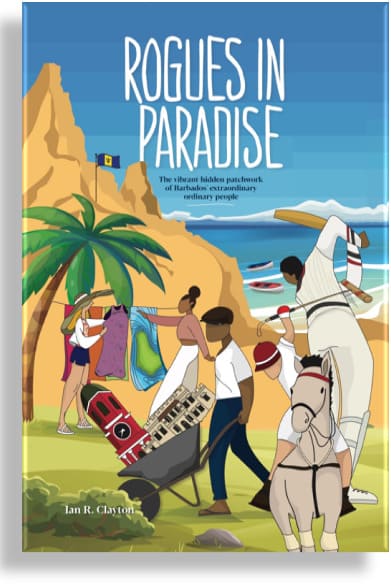
Inspired By the Book RoguesInParadise –
Presceening Sample Chapters- Sample1