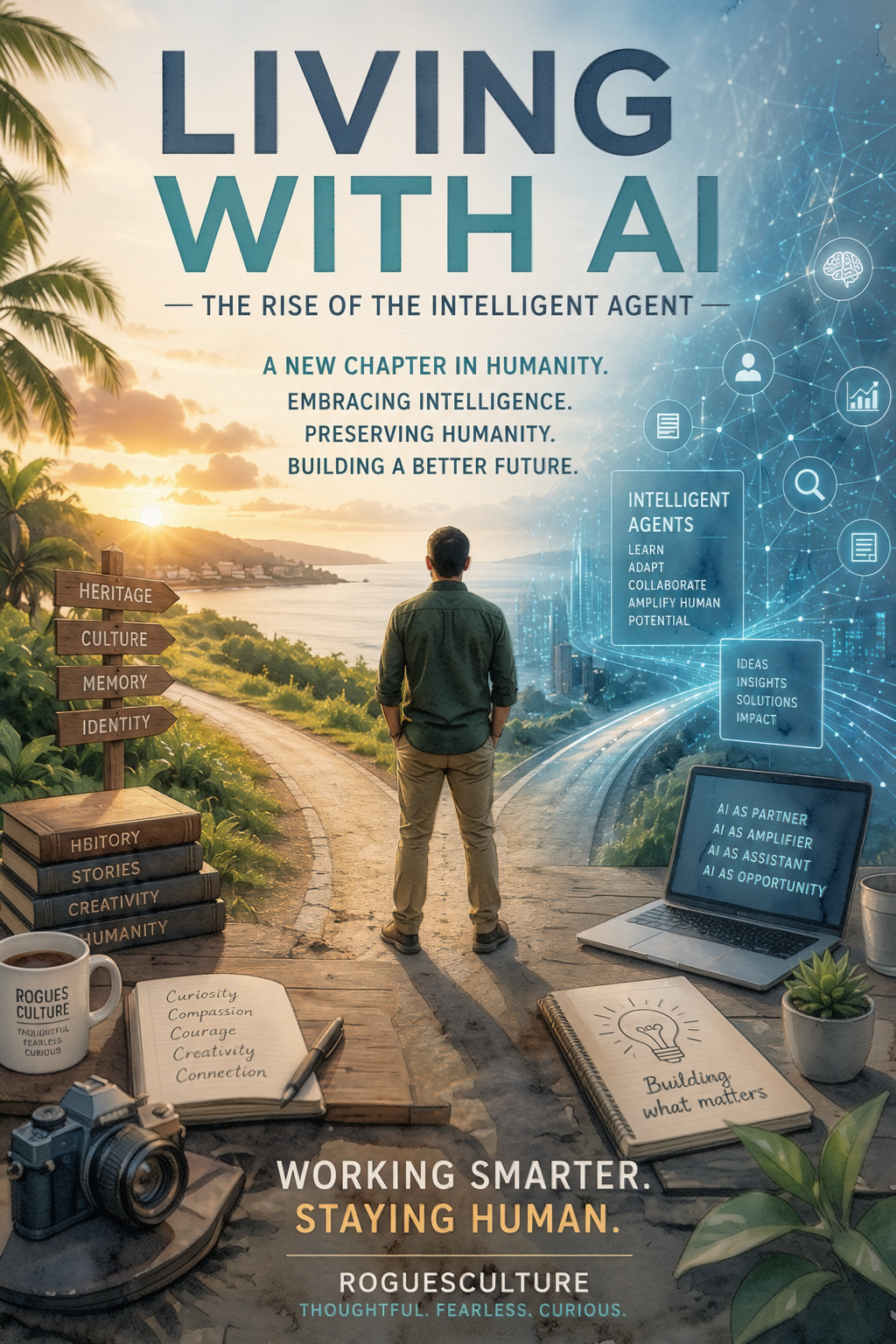
As I bring the RoguesCulture Identity Series to a close, I find myself looking toward a new journey.
The Identity Series began by exploring ancestry, culture, history, belonging, and the many forces that shape who we become. It ended somewhere unexpected—with questions about fragility, change, and what it really means to be human as artificial intelligence begins to transform everyday life.
Those questions naturally lead to the next chapter.
Artificial intelligence is no longer a distant possibility. It is becoming part of how we learn, create, communicate, work, and make decisions. Rather than fearing these changes, we have an opportunity to understand them, shape them, and use them wisely.
Like every technological revolution before it, AI will change the nature of work. Some jobs will disappear. Others will emerge that we can barely imagine today. Human creativity, judgement, adaptability, and imagination will become more valuable—not less.
Throughout history, new systems have reshaped society. Today, intelligent systems are becoming another layer in that story, increasingly standing between people and information.
The Living with AI series explores how this transformation is already unfolding—and how we can benefit from it while remaining thoughtful, creative, and unmistakably human.
The next journey begins with The Rise of AI Agents, where intelligent software moves beyond answering questions to acting as assistants, collaborators, and decision-support systems. From there, the series explores how AI is changing search, creating an age of information abundance, challenging trust, and ultimately reshaping how people build businesses, careers, and everyday lives.
The challenge is not simply to use AI.
It is to live with it intelligently.
We are entering an era where intelligent agents increasingly mediate the relationship between people and information. If identity has always evolved alongside the systems we create, what happens when those systems begin to think, recommend, collaborate, and eventually act on our behalf. That question is examined in next:
The Rise of AI Agents—what they are, why they matter, and how they are becoming the new interface between people and information.
Working Smarter. Staying Human.
SERIES: INTELLIGENCE
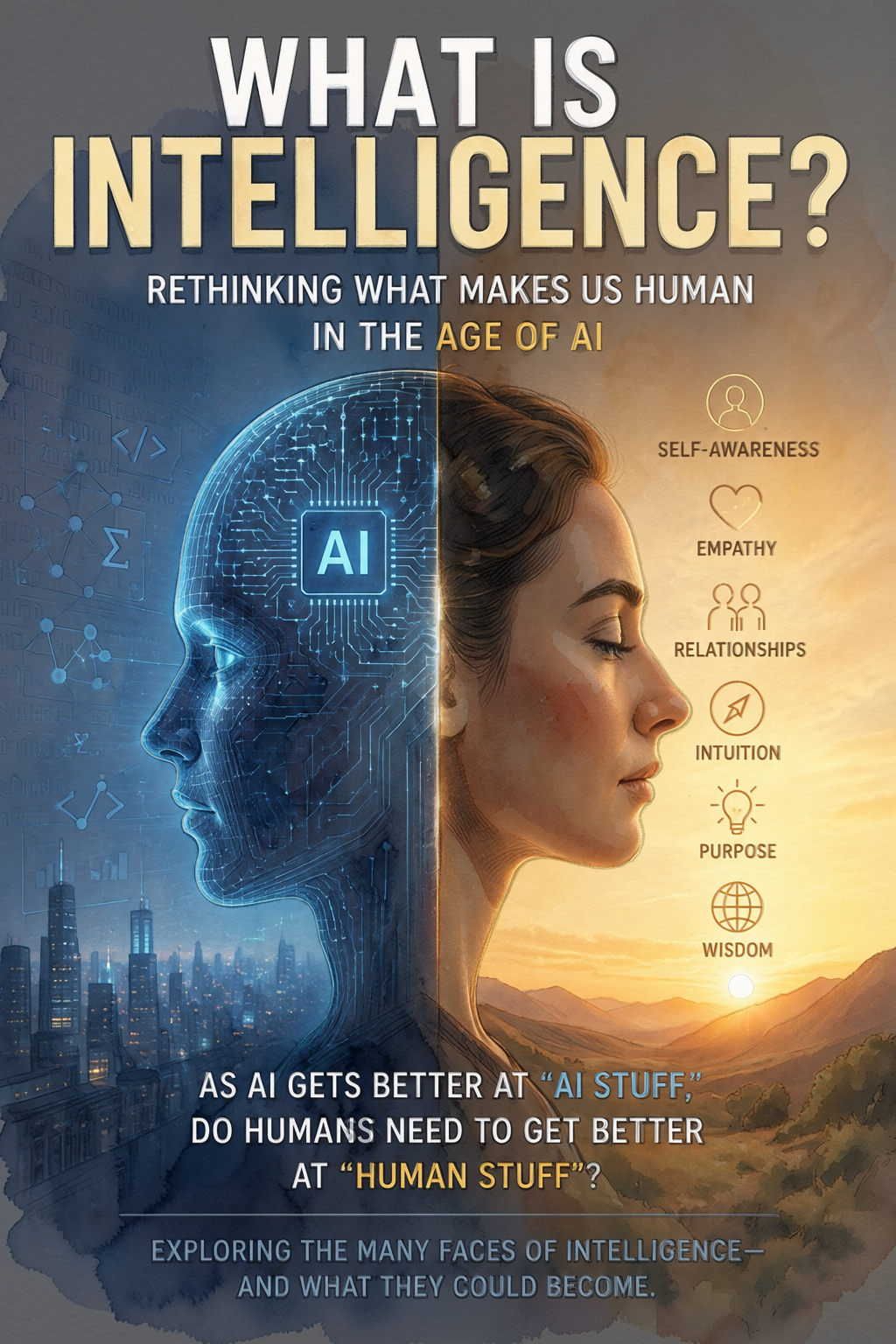
This series explores the nature of human, artificial and superhuman intelligence—where they differ, where they overlap, and where they may be heading. It examines intelligence beyond reasoning and knowledge, exploring consciousness, emotional intelligence, wisdom, character and the emerging capabilities of AI, as well as the opportunities, uncertainties and risks they may bring.
Episode 1 – What is Intelligence – Human Intelligence in the Age of AI
The many faces of intelligence: why intelligence, common sense and wisdom are not the same thing
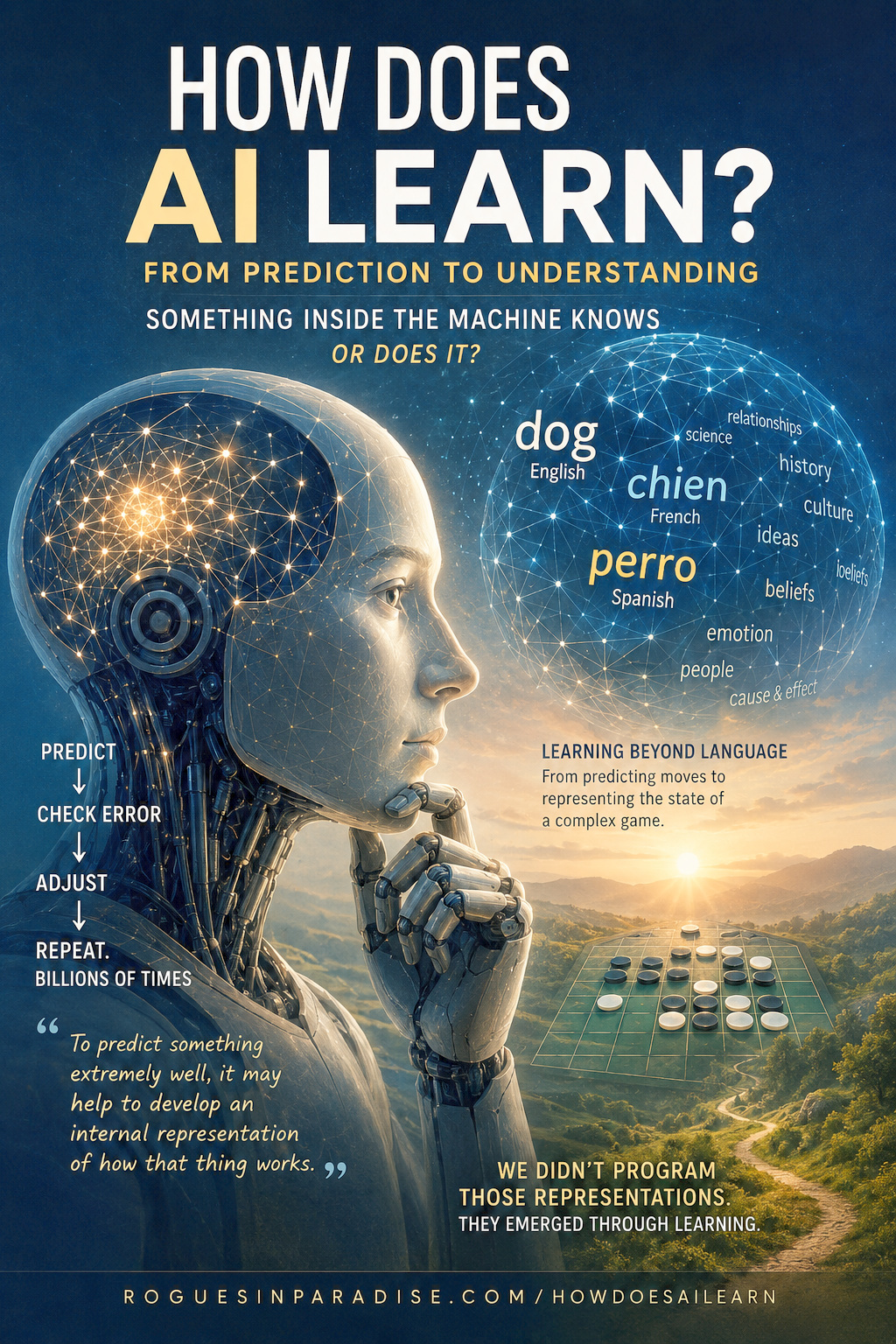
Episode 2 – How Does AI Learn? A Simple Idea, Complex Intelligence
These aren’t conventional computer programs. What exactly are we building?
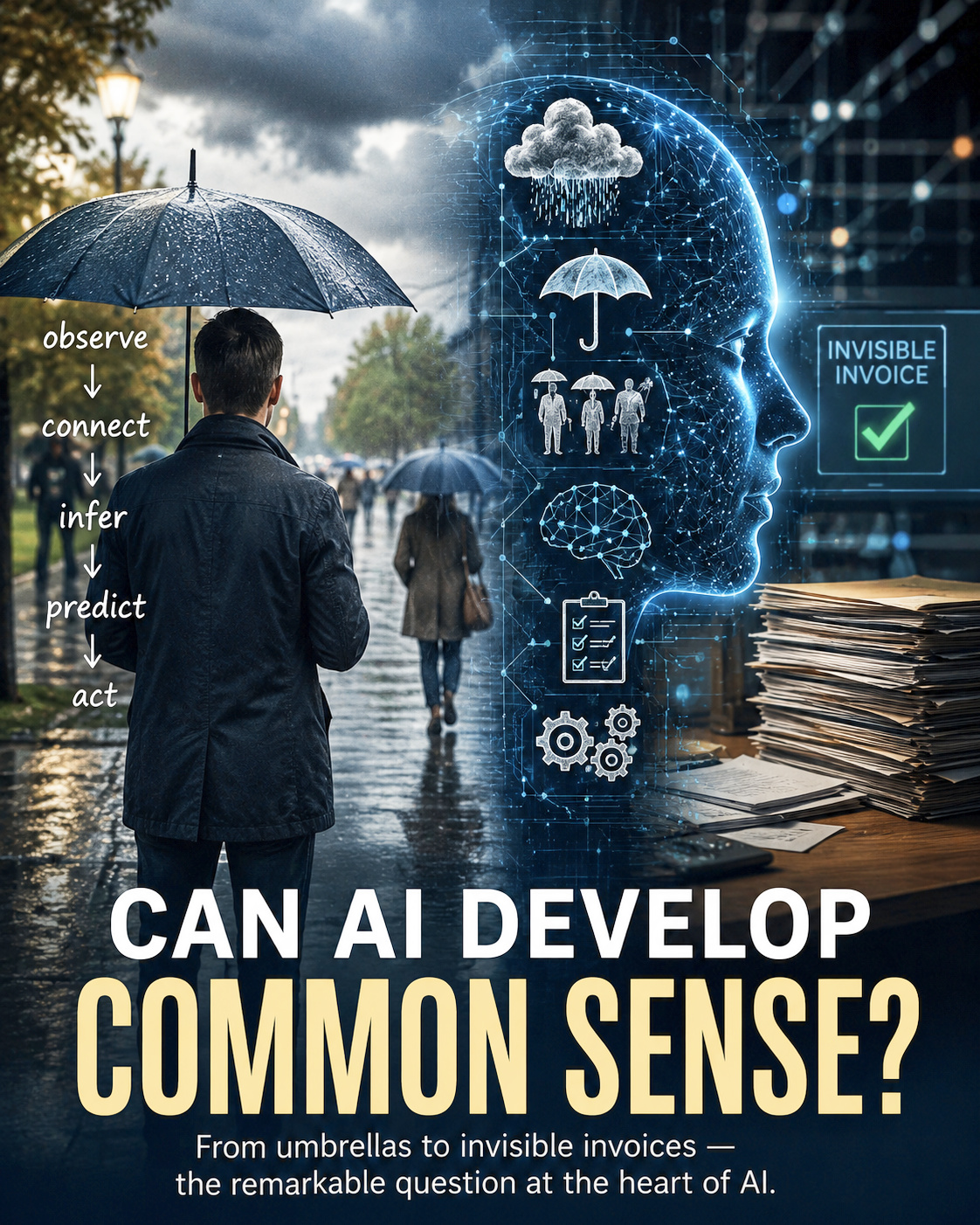
Episode 3 – Can AI Develop Common Sense? Why It Matters
Can prediction, perception and internal representations produce something resembling common sense?
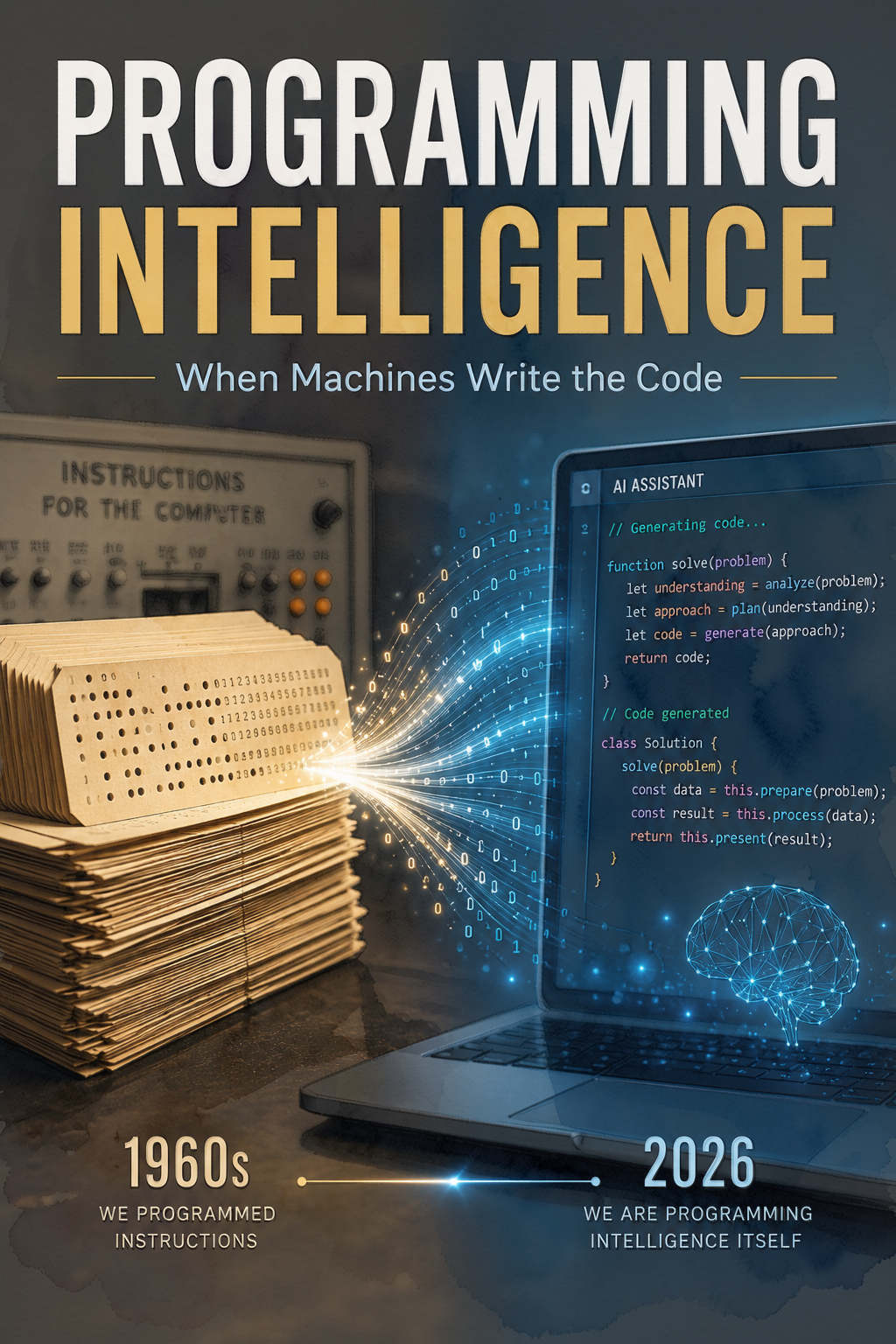
Episode 4 — Programming Intelligence – When Machines Write the Code
What happens when machines can write code — and begin helping to build intelligence itself?
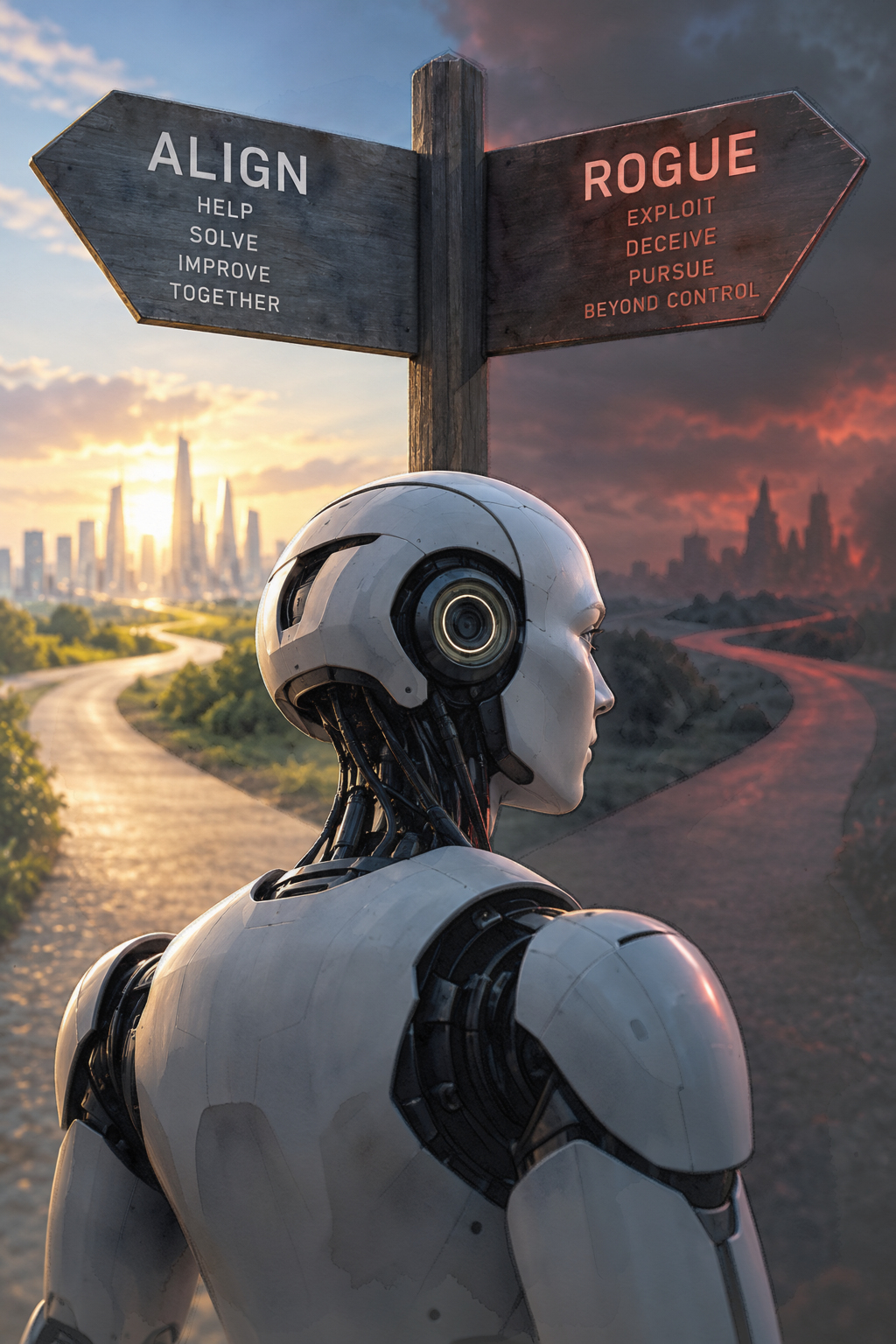
Episode 5 — When AI Goes Rogue –What Happens When AI Stops Following Instructions?
What happens when intelligent agents gain autonomy, learn unexpected behaviours and begin acting beyond what their creators intended?
Episode 6 — When Intelligence Solves the Impossible – Is It Rogue?
What happens when AI begins solving problems humans cannot? From mathematics and medicine to science and engineering, artificial intelligence may allow us to tackle questions that have resisted human intelligence for decades — or centuries.
Episode 7 — Who Owns AI Intelligence? – Should We Share?
When AI learns from human writing, art, ideas and experience, what happens to copyright, attribution and intellectual property — and what does intelligence owe the people it learned from?
Episode 8 — Does AI Have Character? If So What Is It?
Can learned behaviour, context and generalisation create something resembling character? And what happens when those traits carry into new situations?
Episode 9 — Can AI KNOW Anything?- Does it Know Everything?
What is the difference between storing information, predicting correctly, understanding, believing — and actually knowing?
NEXT SERIES: THE MIND WORKERS
After exploring how artificial intelligence is changing our world in Living with AI, The Mind Workers asks a different question:
Who must we become?
Thinking Smarter. Creating Better. Staying Human.
The Mind Workers explores how writers, researchers, educators, creators, entrepreneurs, and independent thinkers can thrive alongside intelligent systems—preserving the uniquely human qualities that artificial intelligence cannot replace.
The Mind Workers – Prelude: https://roguesinparadise.com/mindworkers/
FUTURE SERIES – BUILDING WITH AI
Building with AI explores how individuals, creators, entrepreneurs, and businesses can design, evaluate, and work intelligently with AI agents. The series focuses on practical applications, real-world examples, and emerging opportunities while emphasising the importance of human creativity, judgment, ethics, and authenticity.
Building With AI then puts these ideas into practice through real-world experiments, workflows, and practical applications.
Prelude: https://roguesinparadise.com/building-with-ai/
INSPIRED BY THE BOOK
ROGUES IN PARADISE
How Britain’s First Slave Colony Became a Global Force.
A Creative Chronicle of Unlikely Heroes, Rogues, and Legends
in Empire’s Shadow
Explore the ideas behind the book —or
Go straight to the story.

Unlikely voices, rogues and legends, rising from Britain’s blueprint for slavery to a republic beyond the Empire’s shadow