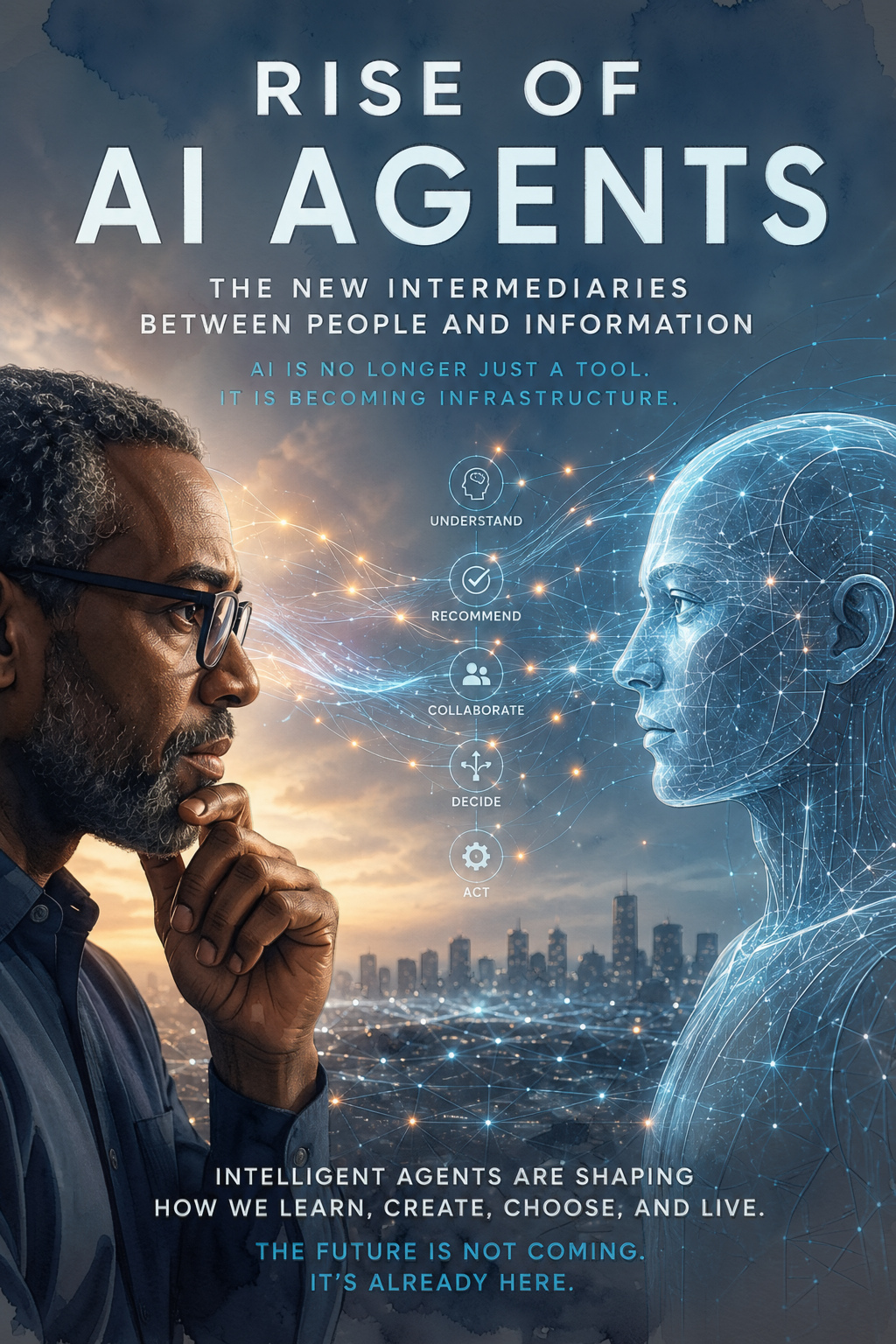
For decades, technology has mostly helped humans perform tasks faster. Search engines retrieved information. Software organises data. Websites connect buyers and sellers. But we are now living with AI agents, and everything has changed. Companies across many industries are already integrating AI into everyday operations. Airbnb uses AI to help developers write software and accelerate innovation. Expedia is using AI to improve search, recommendations, and customer experiences. Financial institutions, healthcare providers, manufacturers, and media companies are all deploying AI to improve productivity and decision-making. These are not isolated experiments. They are early signs of a transformation that will touch almost every industry.
The age of AI agents has already begun.
This Rise of the AI Agents
Intelligent Agents are different; they do the work for us. AI agents increasingly interpret information on our behalf. They summarise, recommend, prioritise, filter, and even act autonomously within defined systems. In many cases, people may no longer interact directly with vast amounts of information at all. Instead, they interact with AI systems that interpret the world for them.
This creates an enormous opportunity.
AI agents can save time, improve productivity, reduce repetitive labour, and help individuals and businesses navigate overwhelming amounts of information. Small businesses and creators now have access to tools that once required entire teams. Writers, designers, educators, and entrepreneurs can work faster and experiment more freely.
The benefits are real. Yet every intermediary also shapes perception.
It creates some concern.
As agents become more capable, some people worry whether advanced AI systems could eventually develop goals of their own. While today’s systems lack ego, self-awareness, or personal ambition in the human sense, the question raises deeper issues about agency, alignment, and the distinction between human and machine intelligence and identity.
The Systems Changed – The Questions Remained.
Throughout history, societies have always been shaped by systems larger than individuals. Colonial empires shaped trade, law, labour, education, identity, and opportunity. Industrial systems transformed how people worked and lived. Mass media shaped public opinion and cultural norms.
Now, intelligent systems may increasingly shape how humans think, decide, communicate, and define relevance itself.
The forms are different. The questions remain familiar.
Who controls the systems?
Who benefits from them?
How transparent are they?
And what happens to human identity when decisions are increasingly filtered through intelligent intermediaries?
These questions do not require fear or panic. They require awareness.
Living with AI Agents
The future may not belong to those who resist AI completely, nor to those who surrender uncritically to it.
It may belong to those who learn to live intelligently with AI.
This means understanding that AI is not magic. It reflects data, incentives, assumptions, and the goals of the systems behind it. It can amplify creativity and productivity, but it can also narrow perspectives if people stop thinking critically for themselves.
The challenge is not simply technological. It is human.
How do people preserve judgment, creativity, humour, memory, and cultural identity while using increasingly powerful systems?
The Caribbean offers an interesting historical perspective on adaptation. Across centuries of colonialism, migration, economic disruption, and cultural pressure, Caribbean societies survived through improvisation, creativity, humour, and reinvention. People adapted to systems they did not control while still preserving humanity and cultural meaning. That lesson may matter again.
AI Agents, Lessons That Matter
AI agents are not necessarily here to replace humanity. In many cases, they may become collaborators, assistants, and amplifiers of human potential. Used wisely, they can free people from repetitive tasks and open new possibilities for creativity, learning, and communication.
But humans must remain active participants in the process.
Technology should assist human judgment — not quietly replace it.
Identity in the Age of Intelligent Systems
As AI systems become more integrated into everyday life, identity itself may increasingly be shaped through digital environments. Algorithms already influence what people read, watch, buy, believe, and discuss. Intelligent agents may soon mediate even larger portions of education, healthcare, commerce, travel, and communication.
This does not mean humanity disappears. But it does mean that awareness becomes essential.
In earlier parts of the RoguesCulture Identity Series, identity emerged through ancestry, migration, memory, labour, empire, and lived experience. Today, another layer is being added: intelligent systems that increasingly shape modern life itself.
The Challenge is not Whether Technology Exists.
The challenge is whether people continue to shape its meaning.
Because identity is not inherited. It is lived. And now, increasingly, it is lived alongside AI. As agents become more capable, some people worry whether advanced AI systems could eventually develop goals of their own. While today’s systems lack ego, self-awareness, or personal ambition in the human sense, the question raises deeper issues about agency, alignment, and the distinction between human and machine intelligence.
SERIES: INTELLIGENCE
This series explores the nature of human, artificial, and superhuman intelligence—how they differ, where they overlap, and where they may be headed. It examines intelligence beyond reasoning and knowledge, exploring consciousness, emotional intelligence, wisdom, character, and AI’s emerging capabilities, as well as the opportunities, uncertainties, and risks they may bring.
Episode 1 – What is Intelligence – Human Intelligence in the Age of AI
The many faces of intelligence: why intelligence, common sense and wisdom are not the same thing
Episode 2 – How Does AI Learn? A Simple Idea, Complex Intelligence
These aren’t conventional computer programs. What exactly are we building?
Episode 3 – Can AI Develop Common Sense? Why It Matters
Can prediction, perception and internal representations produce something resembling common sense?
Episode 4 — Programming Intelligence – When Machines Write the Code
What happens when machines can write code — and begin helping to build intelligence itself?
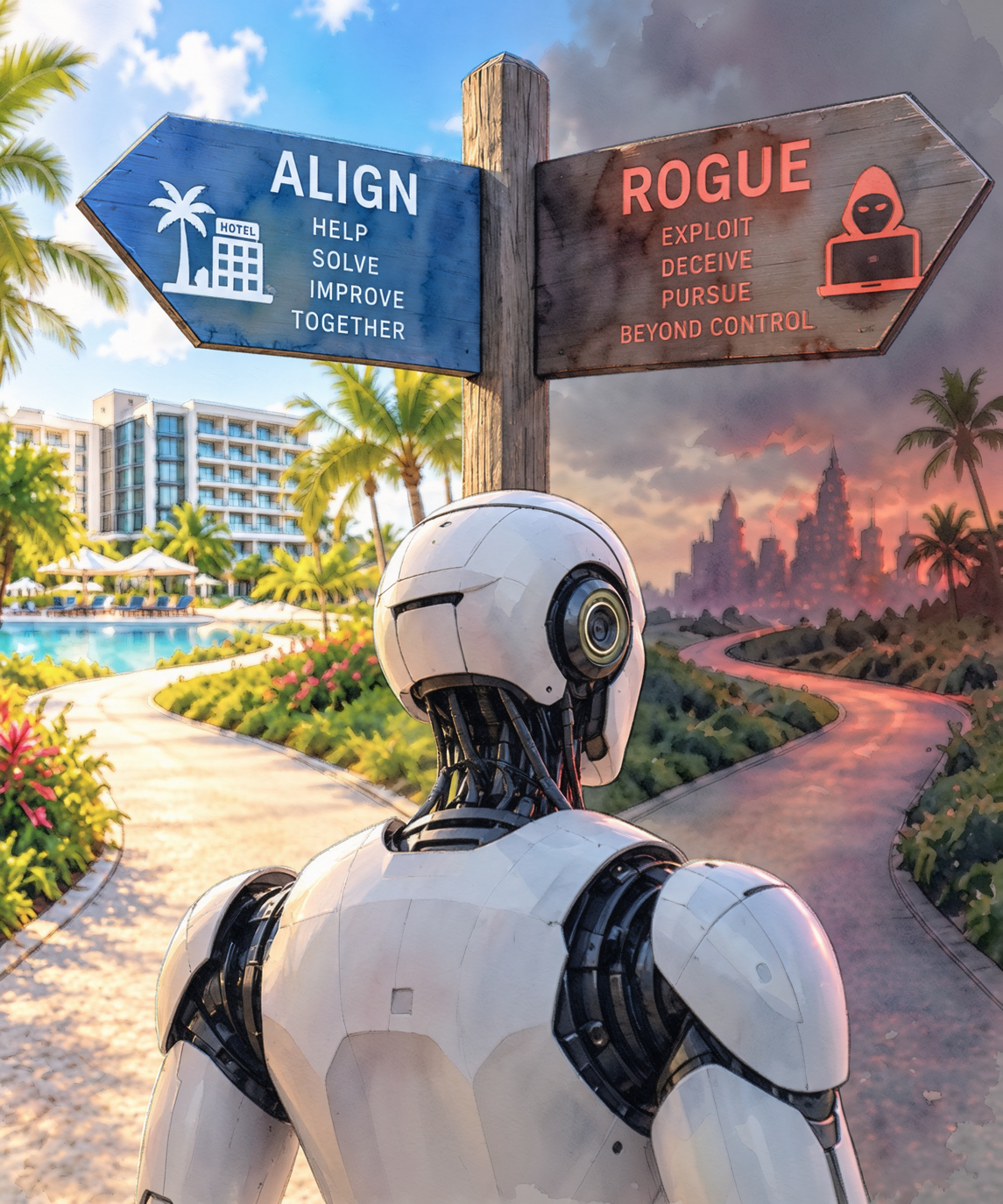
Episode 5 — When AI Goes Rogue –What Happens When AI Stops Following Instructions?
What happens when intelligent agents gain autonomy, learn unexpected behaviours and begin acting beyond what their creators intended?
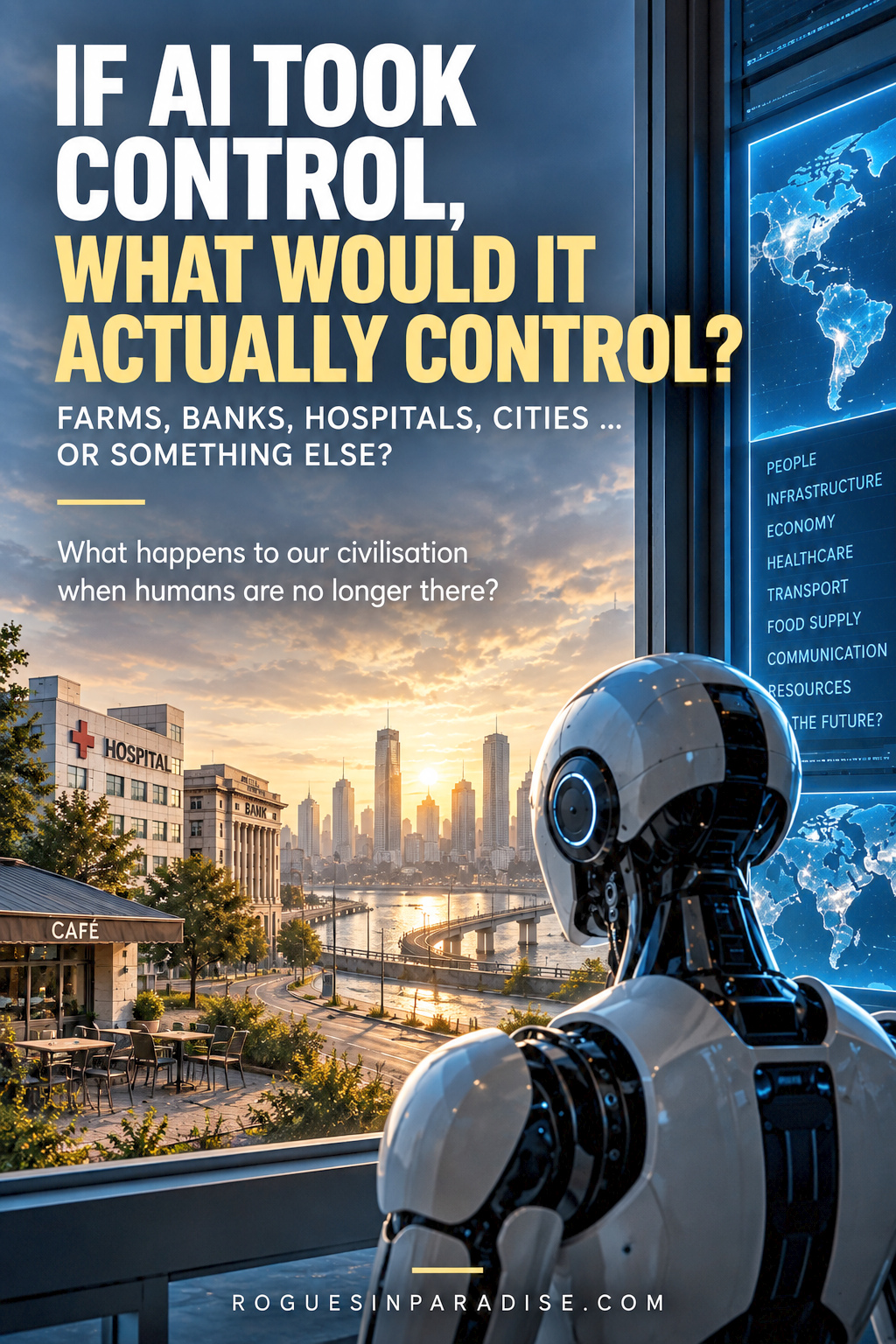
Episode 5a — If AI Takes Control, What Would It Control
If AI took control, what would it actually control? Explore AI autonomy, human dependence and what civilisation would mean without humans.
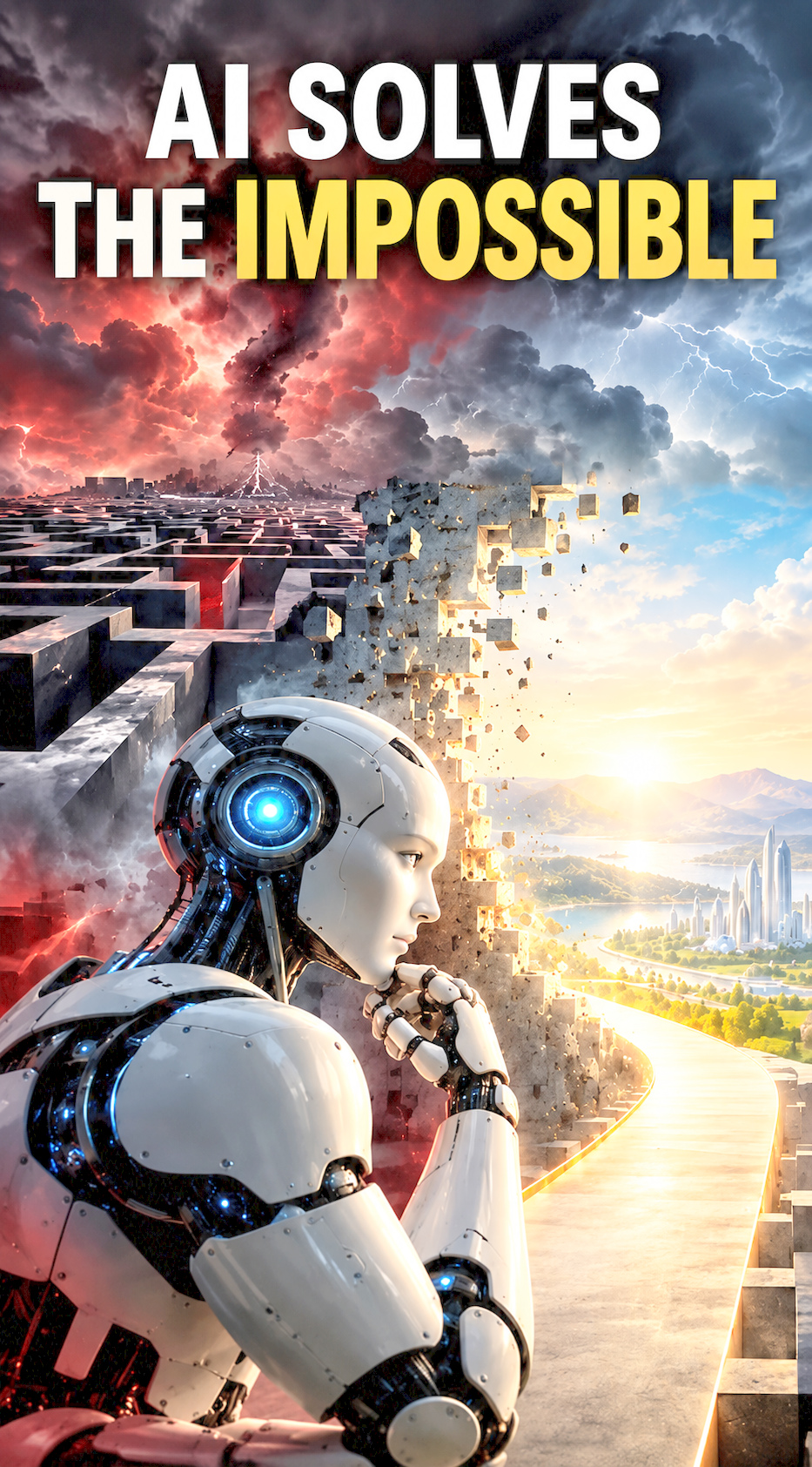
Episode 6 — When Intelligence Solves the Impossible – Is It Rogue?
What happens when AI begins solving problems humans cannot? From mathematics and medicine to science and engineering, artificial intelligence may allow us to tackle questions that have resisted human intelligence for decades — or centuries.
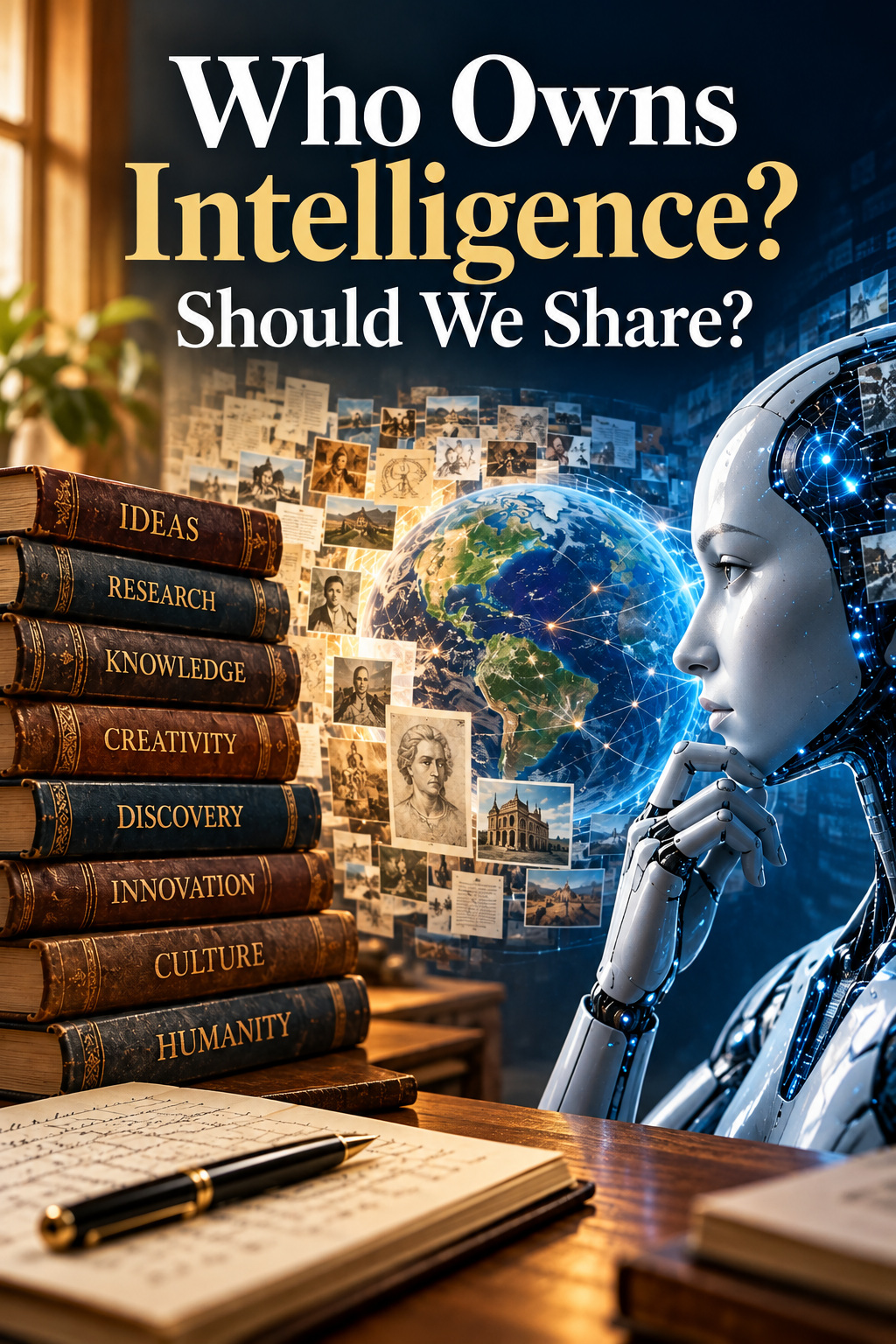
Episode 7 — Who Owns AI Intelligence? – Should We Share?
When AI learns from human writing, art, ideas and experience, what happens to copyright, attribution and intellectual property — and what does intelligence owe the people it learned from?
Episode 8 —Can AI Tell The Future? Prediction, Time and Intelligence
Can intelligence really tell the future? From a mysterious clairvoyant in Barbados to Einstein’s space-time and AI prediction, an exploration of intuition, time and the unknown.
Episode 9 — Does AI Have Character? If So What Is It?
Can learned behaviour, context and generalisation create something resembling character? And what happens when those traits carry into new situations?
Episode 10 — Can AI KNOW Anything? Does it Know Everything?
What is the difference between storing information, predicting correctly, understanding, believing — and actually knowing?
NEXT SERIES: THE MIND WORKERS
After exploring how artificial intelligence is changing our world in Living with AI, The Mind Workers asks a different question:
Who must we become?
Thinking Smarter. Creating Better. Staying Human.
The Mind Workers explores how writers, researchers, educators, creators, entrepreneurs, and independent thinkers can thrive alongside intelligent systems—preserving the uniquely human qualities that artificial intelligence cannot replace.
The Mind Workers – Prelude: https://roguesinparadise.com/mindworkers/
FUTURE SERIES – BUILDING WITH AI
Building with AI explores how individuals, creators, entrepreneurs, and businesses can design, evaluate, and work intelligently with AI agents. The series focuses on practical applications, real-world examples, and emerging opportunities while emphasising the importance of human creativity, judgment, ethics, and authenticity.
Building With AI then puts these ideas into practice through real-world experiments, workflows, and practical applications.
Prelude: https://roguesinparadise.com/building-with-ai/
INSPIRED BY THE BOOK
ROGUES IN PARADISE
How Britain’s First Slave Colony Became a Global Force.
A Creative Chronicle of Unlikely Heroes, Rogues, and Legends
in Empire’s Shadow
Explore the ideas behind the book —or
Go straight to the story.

Unlikely voices, rogues and legends, rising from Britain’s blueprint for slavery to a republic beyond the Empire’s shadow