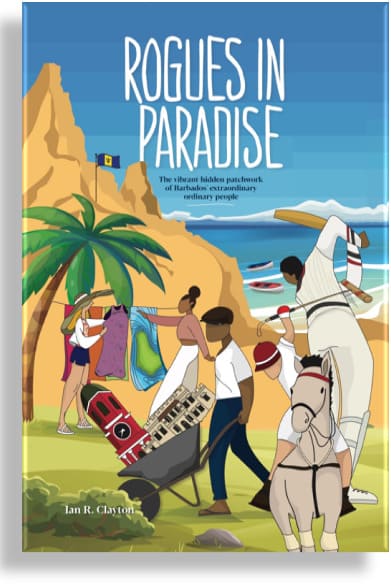
This article is part of the RoguesCulture Identity Series — an exploration of how ancestry, culture, and technology are reshaping what it means to be human. Based on the book Rogues in Paradise – download sample chapters >>>
When Expression Becomes Automated
We are entering a new technological era shaped by artificial intelligence. Machines can now write articles, compose music, generate images, and simulate human conversation. Tools that once belonged to science fiction are becoming part of everyday life. But beneath the excitement lies a deeper question. What happens to identity when machines begin to automate human expression? For centuries, identity has been shaped by memory, culture, ancestry, and shared experience. It is something inherited, learned, and practised across generations. But the future is uncertain, we are at A strange moment in history.
Take comfort in this fact
Artificial intelligence can process data.
It can generate patterns. It can imitate creativity.
But it cannot inherit memory.
It cannot belong to a people, a place, or a culture.
That difference matters to identity in the age of AI.
Reclaiming Our Identity: AI vs. Ancestry in 2026
In the opening weeks of 2026, the world feels “breathless.” If you feel like the ground is shifting beneath your feet, you aren’t alone. We are living in a moment where technology moves faster than the human brain can physically process, and the default setting of our digital world has become a cycle of instant outrage and algorithmic noise.
But how do we stay grounded when machines are beginning to automate our very expression? The answer isn’t found in a new software update—it’s found in our history.
The “Operating System” of the Past
To understand where we are going, we have to look at the “living classrooms” of our history. In the RoguesCulture Deep Dive, author R. Clayton points to 17th-century Barbados—not as a vacation spot, but as a laboratory for the colonial plantation system. This was the “Silicon Valley of exploitation,” a place where humans were treated like farm equipment to maximise efficiency. This history matters today because those systems didn’t just vanish; they became “habits of perception” that echo through our current laws, economics, and culture.
The Parallel: In the 1600s, human dignity was sacrificed for the sake of a plantation system’s efficiency. In 2026, we face the same risk: optimising our digital society to the point that we lose the very things that make us human.
The Anatomy of Bias in the Machine
We often believe we’ve outgrown the prejudices of the past, but the “anatomy of bias” is often running on autopilot. A powerful anecdote from the podcast describes a well-intentioned teacher trying to “fix” her students’ biases, only for the students to point out that the harm was coming from the authority figures and the system itself.
As AI matures, it doesn’t start with a blank slate. It learns from us. If we don’t examine our historical baggage, we aren’t just using AI; we are automating and scaling 400 years of unexamined certainty.
Identity Is Not Data
In the digital world, identity is often reduced to information.
Profiles, algorithms, behavioural data, and digital footprints attempt to describe who we are.
But human identity is not simply information. It lives in stories, language, humour, rituals, and the quiet ways people understand one another. It grows through families, communities, and shared experiences over time.
Identity is something lived — not something generated.
It cannot be downloaded or instantly manufactured.
The Rise of the “Reflective Rebel”
How do we fight back? The RoguesCulture Manifesto suggests a path called Reflective Rebellion.
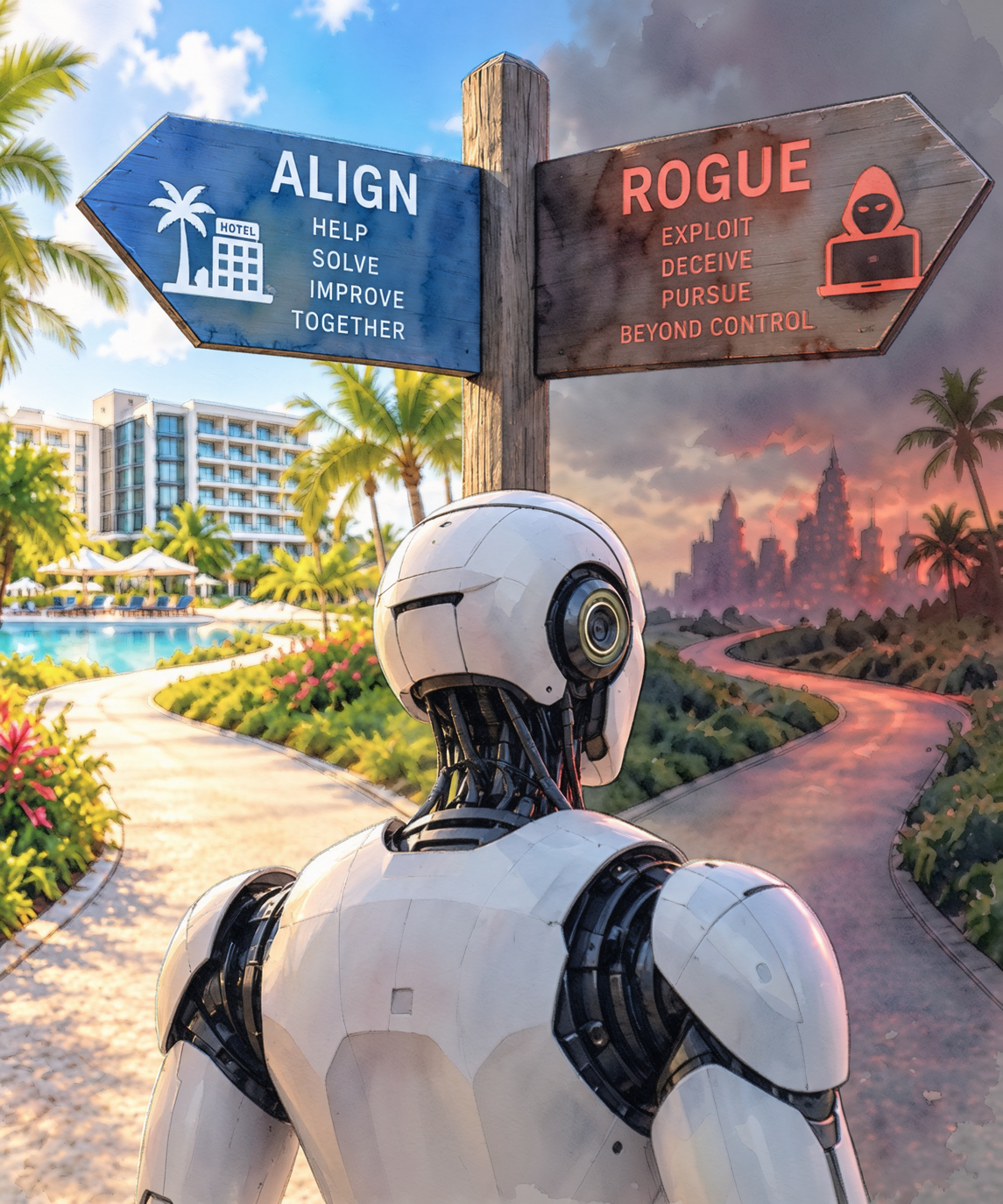
Being a “Rogue” in 2026 doesn’t mean being a lone wolf or a villain. A Rogue is a truth-seeker who refuses to accept the “default settings” of an algorithm.
- Internal Agency: It starts with putting humanity first.
- The Power of the Pause: In an age of instant notifications, pausing before reacting is a radical act of rebellion.
- Embracing Chaos: Stability often hides rot. When the old structures break down, we finally get a chance to see reality without the varnish.
Why Being Human is the New Punk Rock
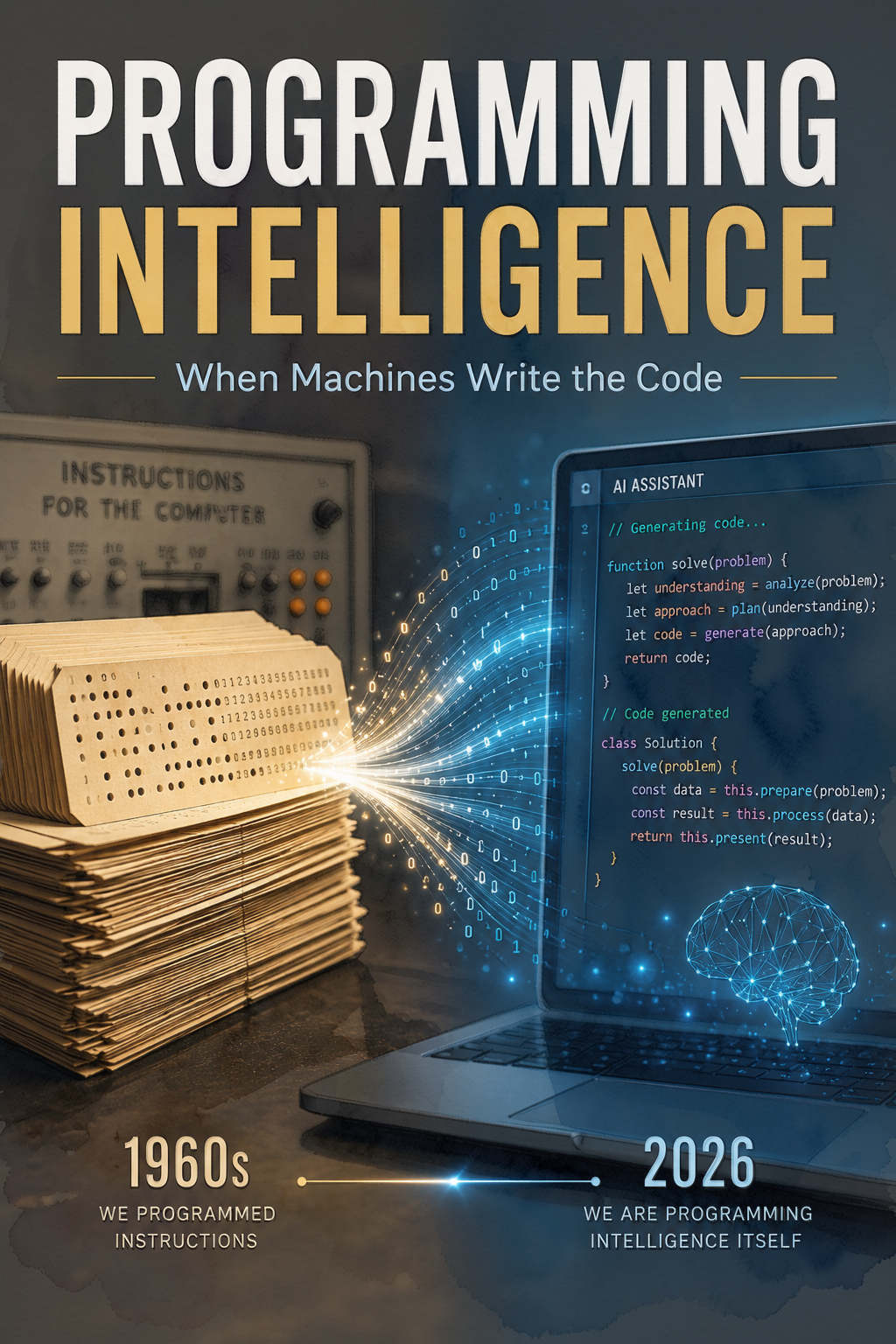
As AI begins to write poems, paint pictures, and code software, what is the human for?
Our identity—our history, our flaws, our weird sense of humour, and our resilience—is the only thing that proves we are real. In a world of generative perfection, being “real” (flaws and all) is the ultimate act of defiance.
Our cultural identity isn’t just a relic of the past; it is the only anchor we have left in a digital tide. If we don’t understand where we came from, we will simply be driftwood in the technological age.
Stay curious. Stay human. And maybe be a little bit of a rogue today.
This blog post is taken from the RoguesCulture Deep Dive Podcast.
Ancestry as a Compass
Looking backwards is not about nostalgia. It is about understanding the foundations that allow societies to move forward without losing themselves.
The faster technology moves, the more important those foundations become. Artificial intelligence may transform how we work and communicate. But identity — real identity — remains rooted in culture, memory, and belonging.
In a digital world, ancestry can act as a compass. It reminds us where we came from. It reminds us who we are. And it helps us decide where we are going.
In the age of artificial intelligence, the most important question may not be what machines can do.
Video Summary: AI vs. Ancestry
RoguesCulture Identity Series
A journey from the roots of identity to its future in an age of AI.
Inspired by the Book Rogues in Paradise
In Empire’s Shadow: Britain’s Laboratory for Slavery and the Island That Transcended
Dive deeper into Rogues In Paradise —
Voices, Empire, and Beyond Paradise
Explore the Book Behind the Series →
Discover the philosophical bridge between identity, empire, and modern systems
—or Go straight to the story
Identity In The Age of AI
Identity Is Not Inherited. It Is Lived. | The Full Story
PART I — ROOTS
Where identity comes from
- The Spoils of Identity in the Face of Colonialism
Colonial systems reshaped identity through power, law, and economics, with Barbados as an early case study of cultural disruption and resilience. - Barbados: Identity in Motion
Identity evolves through migration, culture, and adaptation. Barbados offers a living example of identity shaped by history and community.. - Identity Across Cultures: The World Order
Expands the conversation globally, exploring how language, geography, religion, and history shape identity across societies. - Africa: Origins and Echoes of Identity
Explores the diverse African cultures that shaped Caribbean identity—from warrior societies and desert traders to farmers, artisans, and storytellers.
-4a. African Echoes
Explores the influence of African heritage on Barbados and Caribbean identity: Featuring culture, memory, music, spirituality, and everyday life across the RoguesCulture series.
PART II — MEANING
What identity actually is
- Cosmic Identity
A philosophical reflection on identity beyond nationality—considering humanity’s shared cultural and existential connections. - Identity: AI vs Ancestry in 2026
As artificial intelligence reshapes communication and creativity, this essay asks what remains uniquely human,
and how ancestry helps keep identity grounded. - Identity and the Future
Explores how identity may evolve as societies adapt to rapid technological, cultural, and economic change.
>>>>(END OF START 1-7)
INTERLUDE – In EMPIRE’S SHADOW
How systems persist
Empires do not disappear when colonial rule ends.
The system of power continues to shape identity, culture, and society today.
PART III — SYSTEMS & FRAGILITY
What happens to identity next
- Identity Is Fragile
Reflects on how identity can be distorted, politicised, or manipulated—and why cultural awareness is essential to protect it. - Who Needs Identity Anyway?
Questions whether identity still matters in a globalised world—and why belonging and cultural continuity remain important.
NEW SERIES
Living with AI explores how intelligent agents are reshaping work, creativity, and decision-making
—and how humans can thrive alongside them.
BUILDING WITH AI
Building with AI explores how individuals, creators, entrepreneurs, and businesses can design, evaluate, and work intelligently with AI agents. The series focuses on practical applications, real-world examples, and emerging opportunities while emphasising the importance of human creativity, judgment, ethics, and authenticity.
Coming soon.
Based on The Book: ‘Rogues in Paradise’
Unlikely voices, rogues and legends, rising from Britain’s blueprint for slavery to a republic beyond the Empire’s shadow
Explore the ideas behind the book —or
Go straight to the story.
Related Blogs
Rogues Re-Framed: https://roguesinparadise.com/britains-first-slave-society-the-barbados-prototype/
Barbados: Britain’s Laboratory for Slavery: https://roguesinparadise.com/barbados-britains-laboratory-for-slavery/