Read sample chapters of the book here
Why the Book Shifted Focus from Island Characters to the Empire’s Blueprint
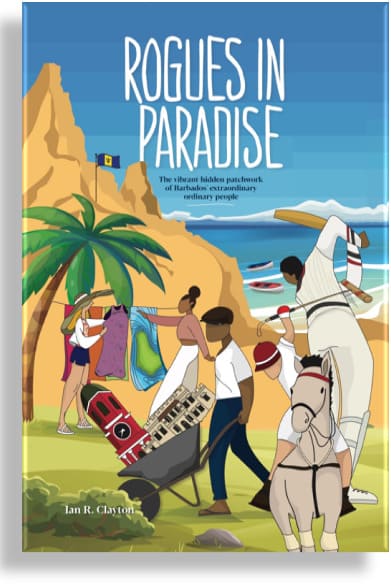
When I first began writing Rogues in Paradise, the project grew out of decades of living and working in Barbados.
The early chapters focused on the people I had met along the way — vendors, teachers, musicians, street philosophers, and a cast of colourful characters who embodied the humour and resilience of the island. They were the witty, wise, and unlikely heroes of everyday life.
That original approach felt natural. Barbados is full of stories, and those stories reveal a great deal about the island’s character.
But as the manuscript began circulating among literary agents, I received consistent feedback that forced me to reconsider how the book was framed.
The issue was not the material itself.
It was the genre.
The Publishing Reality
Several agents pointed out that the project sat awkwardly between categories.
Parts of the manuscript read like cultural history.
Other sections felt like a memoir.
Some chapters had a travel-writing tone.
In today’s publishing environment, that combination can create confusion. Travel writing is a shrinking category, and memoir tends to succeed primarily when the author is already a public figure or celebrity with a large platform. The stories themselves were strong. But the book’s frame needed clarity. That feedback became an unexpected gift. It pushed me to step back and ask a more important question: What is the deeper story behind all these characters? The answer lay in history.
Barbados: Britain’s Laboratory for Slavery
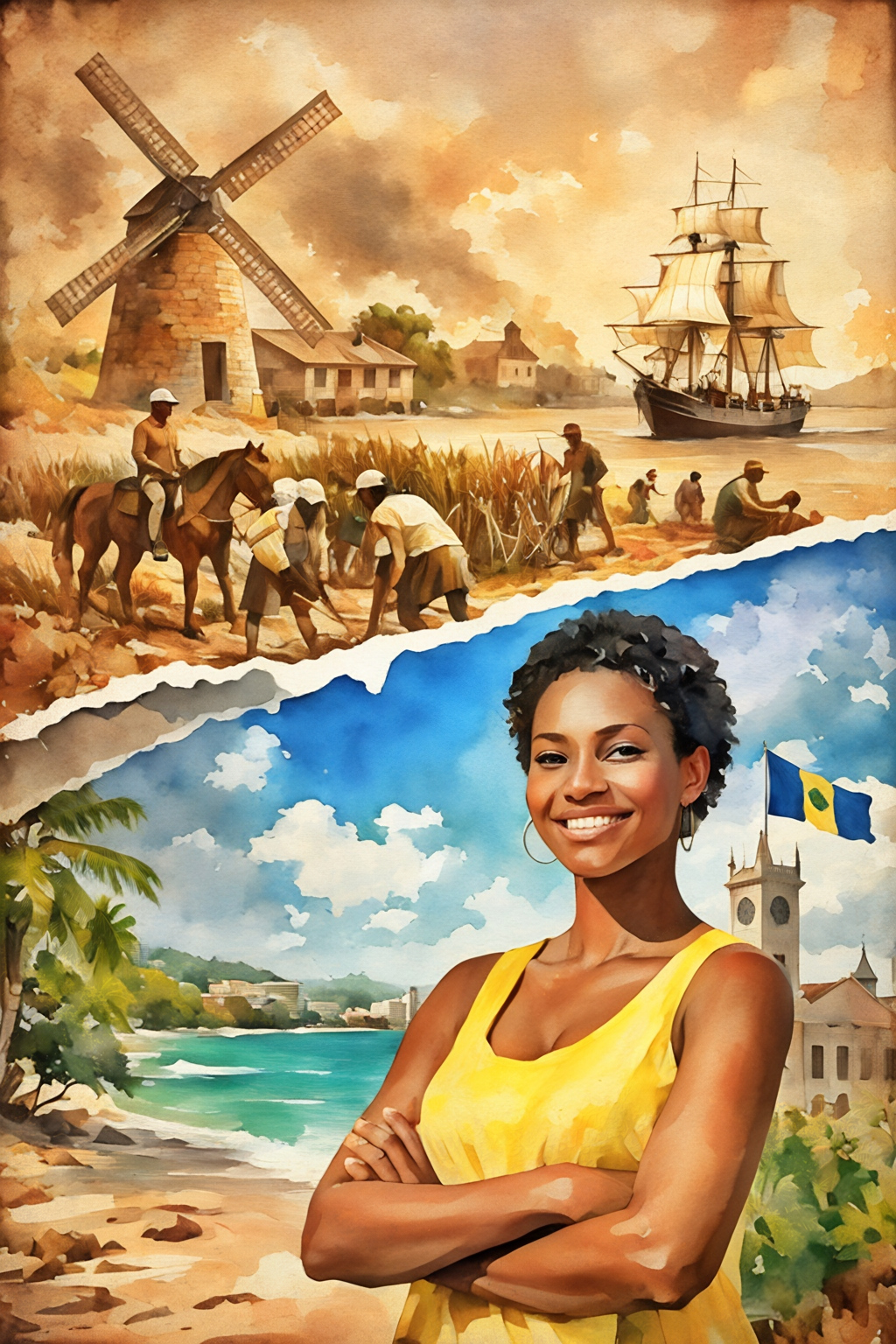
Long before Barbados became a modern Caribbean nation known for its warmth and culture, the island played a pivotal role in the development of the British Atlantic world.
In the seventeenth century, Barbados became the testing ground for a system that would shape the entire empire. The plantation economy, the legal structures that supported it, and the methods of organising large-scale enslaved labour were refined on this small island before spreading across the Caribbean and into North America. In many ways, Barbados functioned as Britain’s prototype for slavery — a blueprint that influenced colonial societies for centuries.
Recognising this changed how the book needed to be told.
The colourful personalities I had written about were still important. They represent the spirit of Barbados today. But behind those personalities lies a far larger historical story.
Explore more essays on Barbados, empire, and identity in the Rogues in Paradise series.nDownload sample chapters
The Island That Transcended Its Past
The most remarkable part of the Barbadian story is not the system that was built there.
It is what came after.
Over time, the descendants of enslaved Africans created one of the most stable and culturally confident societies in the Caribbean. Education, community networks, and a strong civic culture helped transform the island into a nation that now participates in global conversations about development, climate resilience, and historical justice.
That journey — from imperial experiment to independent voice — became the real narrative thread of the book.
See how these historical patterns play out in real Bajan lives?
Download the free preview to meet the rogues who embody this resilience
A Clearer Focus
The stories of rogues, teachers, street philosophers, and national heroes still appear throughout the manuscript. They give the narrative its humanity.
But the focus is now clearer.
ROGUES IN PARADISE
In Empire’s Shadow: Britain’s Laboratory for Slavery and the Island That Transcended It
The book is no longer framed as travel writing or memoir. It is a cultural narrative about how a small island helped shape the Atlantic world — and how its people transformed that inheritance into something remarkably resilient.
Sometimes a project evolves because of criticism. In this case, the feedback helped reveal the deeper story that had been there all along. It is still evolving. Some suggest it should be a series:
The book moves from the lived culture of Barbados today, into the historical forces that shaped the island as Britain’s first slave society, and finally into the modern identity that emerged from that history.
Act I — The People & Place (Parts I,II,III)
(the living culture of Barbados) If history explains how Barbados was formed, everyday life reveals what that history became.
Act II — In Empire’s Shadow (Part IV +)
(the historical engine)
Act III — Beyond Paradise (in process)
(the transformationand identity in the age of AI)
RoguesCulture Identity Series
A journey from the roots of identity to its future in an age of AI.
Inspired by the Book Rogues in Paradise
In Empire’s Shadow: Britain’s Laboratory for Slavery and the Island That Transcended
Dive deeper into Rogues In Paradise —
Voices, Empire, and Beyond Paradise
Explore the Book Behind the Series →
Discover the philosophical bridge between identity, empire, and modern systems
—or Go straight to the story
Identity In The Age of AI
Identity Is Not Inherited. It Is Lived. | The Full Story
PART I — ROOTS
Where identity comes from
- The Spoils of Identity in the Face of Colonialism
Colonial systems reshaped identity through power, law, and economics, with Barbados as an early case study of cultural disruption and resilience. - Barbados: Identity in Motion
Identity evolves through migration, culture, and adaptation. Barbados offers a living example of identity shaped by history and community.. - Identity Across Cultures: The World Order
Expands the conversation globally, exploring how language, geography, religion, and history shape identity across societies. - Africa: Origins and Echoes of Identity
Explores the diverse African cultures that shaped Caribbean identity—from warrior societies and desert traders to farmers, artisans, and storytellers.
-4a. African Echoes
Explores the influence of African heritage on Barbados and Caribbean identity: Featuring culture, memory, music, spirituality, and everyday life across the RoguesCulture series.
PART II — MEANING
What identity actually is
- Cosmic Identity
A philosophical reflection on identity beyond nationality—considering humanity’s shared cultural and existential connections. - Identity: AI vs Ancestry in 2026
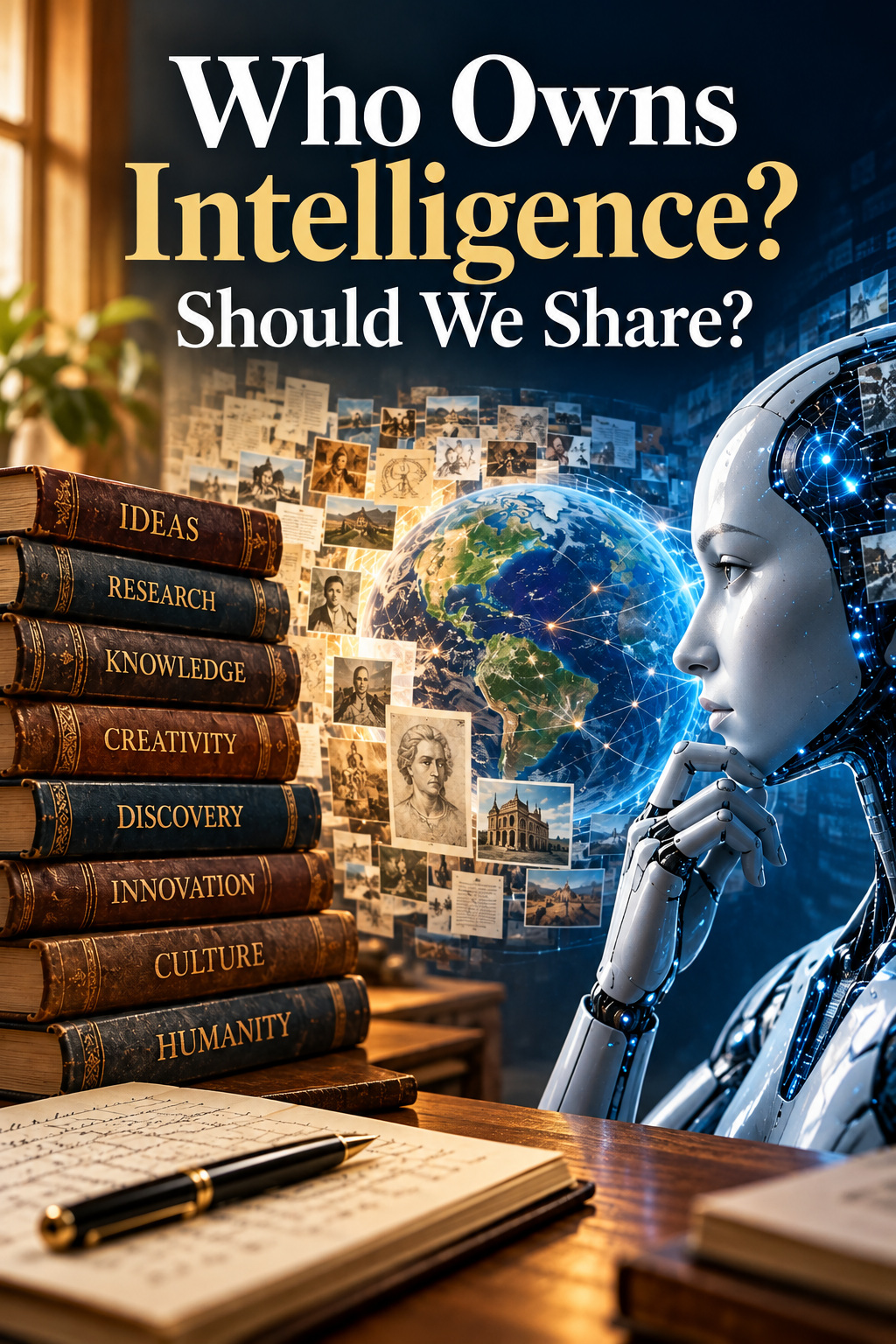
As artificial intelligence reshapes communication and creativity, this essay asks what remains uniquely human,
and how ancestry helps keep identity grounded. - Identity and the Future
Explores how identity may evolve as societies adapt to rapid technological, cultural, and economic change.
>>>>(END OF START 1-7)
INTERLUDE – In EMPIRE’S SHADOW
How systems persist
Empires do not disappear when colonial rule ends.
The system of power continues to shape identity, culture, and society today.
PART III — SYSTEMS & FRAGILITY
What happens to identity next
- Identity Is Fragile
Reflects on how identity can be distorted, politicised, or manipulated—and why cultural awareness is essential to protect it. - Who Needs Identity Anyway?
Questions whether identity still matters in a globalised world—and why belonging and cultural continuity remain important.
NEW SERIES
Living with AI explores how intelligent agents are reshaping work, creativity, and decision-making
—and how humans can thrive alongside them.
BUILDING WITH AI
Building with AI explores how individuals, creators, entrepreneurs, and businesses can design, evaluate, and work intelligently with AI agents. The series focuses on practical applications, real-world examples, and emerging opportunities while emphasising the importance of human creativity, judgment, ethics, and authenticity.
Coming soon.
Based on The Book: ‘Rogues in Paradise’
Unlikely voices, rogues and legends, rising from Britain’s blueprint for slavery to a republic beyond the Empire’s shadow
Explore the ideas behind the book —or
Go straight to the story.
Related Blogs
Rogues Re-Framed: https://roguesinparadise.com/britains-first-slave-society-the-barbados-prototype/
Barbados: Britain’s Laboratory for Slavery: https://roguesinparadise.com/barbados-britains-laboratory-for-slavery/
Rogues in Paradise Reframed Video
Pre-Screen Sample Chapters
This article is part of the historical research behind the book Rogues in Paradise, which explores how Barbados shaped the Atlantic world and how its people transformed that legacy into cultural resilience.

Share Your Thoughts
RoguesCulture is not a monologue. It is a shared space for reflection. If you have a story, question, or experience that has shaped how you see identity, culture, or belonging, I invite you to contribute. Your voice matters here.
You can share:
– A moment that changed how you see identity
– A family story that shaped your sense of belonging
– A cultural misunderstanding that taught you something
– A question you’re still wrestling with